



What's Happening?
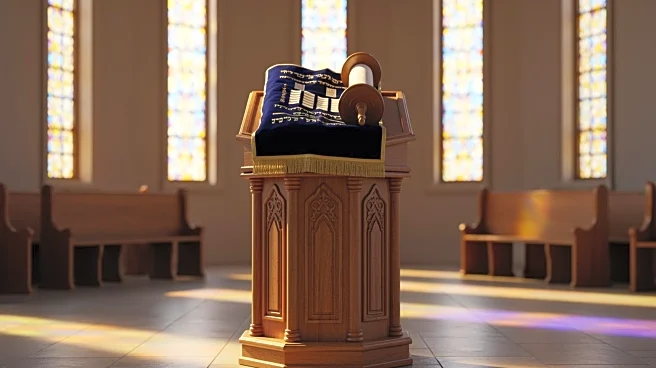
Neriya Zisk, a 24-year-old company commander in the 401st Armored Brigade's 52nd Battalion, was killed in northern Gaza on December 27, 2023. In his memory, his family is dedicating a new synagogue named Mishkan Neriya in the Ne’ot HaKfar neighborhood
of Kiryat Malakhi. The synagogue aims to embody the values Zisk lived by, such as national defense, faith, and unity among diverse communities. Zisk, known for his leadership and empathy, returned to Israel from a trip in South America to serve during the Iron Sword war, despite not receiving an official call-up. He was killed by a sniper while attempting to repair his tank under fire.
Why It's Important?
The dedication of Mishkan Neriya highlights the enduring impact of Zisk's values on his community and the broader Israeli society. His story underscores the themes of duty, sacrifice, and unity, resonating deeply in a nation often divided by political and religious lines. The synagogue serves as a symbol of inclusivity, welcoming individuals from secular to ultra-Orthodox backgrounds, reflecting Zisk's belief in bringing people together. This initiative not only honors his legacy but also promotes a message of national solidarity and mutual respect, crucial for societal cohesion.
What's Next?
The synagogue's establishment may inspire similar initiatives that promote unity and remembrance of those who have sacrificed for their country. It could also encourage discussions on the importance of community spaces that bridge societal divides. As the synagogue becomes operational, it may host events and activities that further Zisk's ideals, fostering dialogue and cooperation among different segments of the population. The story of Zisk and the synagogue may also influence public discourse on national service and the values of leadership and empathy in military and civilian life.
Beyond the Headlines
The creation of Mishkan Neriya raises broader questions about how societies commemorate their fallen heroes and the role of such memorials in shaping national identity. It highlights the potential of religious and community spaces to act as unifying forces in a fragmented society. Additionally, it reflects on the personal sacrifices made by individuals in the military and the lasting impact of their actions on their communities. The synagogue stands as a testament to the power of individual stories to inspire collective action and remembrance.