









What's Happening?
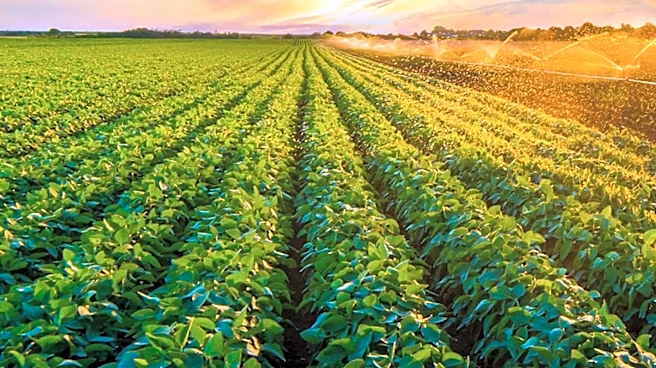
Small-scale farms in Western North Carolina are confronting significant challenges, including rising operational costs, unpredictable weather patterns, and labor shortages. Farmers like Joe Sabbag of Terramonga Farm, Larry Stepp of Stepp’s Plants etc.,
and Eric and Nita Bunker of Queen B Farm, despite their diverse products, share a common struggle to remain viable against the backdrop of industrial agriculture. They report that the cost of essential supplies such as fertilizer, fuel, and greenhouse materials has increased substantially. Additionally, weather extremes, including excessive rain and heat, are directly impacting crop yields and animal welfare. These farms are also finding it difficult to compete on price with larger agricultural operations, leading to farmers absorbing much of the financial pressure. The work on these farms is demanding, often requiring continuous attention seven days a week, and involves a wide range of tasks from animal care to equipment maintenance.
Why It's Important?
The struggles of small farms in North Carolina highlight broader issues within the U.S. agricultural sector, particularly the economic pressures faced by local food systems. The inability of small farms to compete with industrial agriculture on price threatens the diversity of food sources and the economic stability of rural communities. The increasing age of the average farmer, currently around 65, coupled with a lack of interest from younger generations, poses a significant risk to the future of small-scale farming. If these farms disappear, it could lead to a greater reliance on large factory farms, potentially reducing food quality, variety, and local economic resilience. The challenges also underscore the vulnerability of the food supply chain to climate change, as extreme weather events directly impact agricultural output and farmer livelihoods. The emphasis on community and direct customer relationships by these farmers demonstrates a potential model for sustainable local economies.
What's Next?
To ensure their survival, small farms are exploring collaborative models and innovative approaches to reach consumers. Joe Sabbag, for instance, co-founded 'the Hub,' an online marketplace that aggregates products from multiple regional farms, offering customers a convenient way to access local food. This initiative aims to provide small farms with marketing, logistics, and distribution support that they often lack individually. There is a recognized need to build the 'next generation' of infrastructure for local food, moving beyond traditional farmers' markets to include online ordering and delivery services to meet modern consumer demands. Furthermore, there is a growing concern about attracting younger individuals to agriculture, with calls for programs like 4-H and FFA to encourage youth involvement. Without such interventions and continued innovation, many small farms may struggle to continue operating, potentially leading to further consolidation within the agricultural industry.
Beyond the Headlines
The challenges faced by North Carolina's small farms extend beyond immediate economic and environmental concerns, touching upon the cultural and social fabric of rural America. The deep connection farmers feel to their land, their communities, and the food they produce is a powerful motivator, often outweighing the financial hardships. This commitment fosters a unique relationship between producers and consumers, where the origin and quality of food are highly valued. The potential decline of small farms could lead to a loss of traditional farming knowledge and practices, which are often more sustainable and environmentally friendly than industrial methods. Moreover, the struggle to balance consumer expectations for low prices with the true cost of responsible food production raises ethical questions about food value and the societal responsibility to support local, sustainable agriculture. The community-building aspect of these farms, as highlighted by the farmers, suggests that local food systems are not just about sustenance but also about fostering social cohesion and regional identity.