



What's Happening?
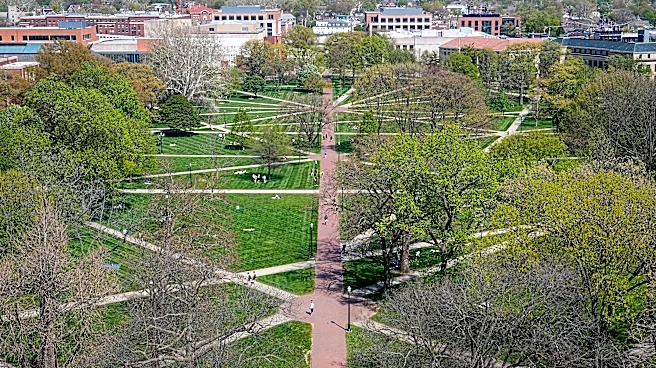
A study published in the Proceedings of the National Academy of Sciences has found that community rules can effectively limit forest clearing and allow trees to return in areas practicing slash-and-burn farming. The research, led by Sean Downey from The Ohio
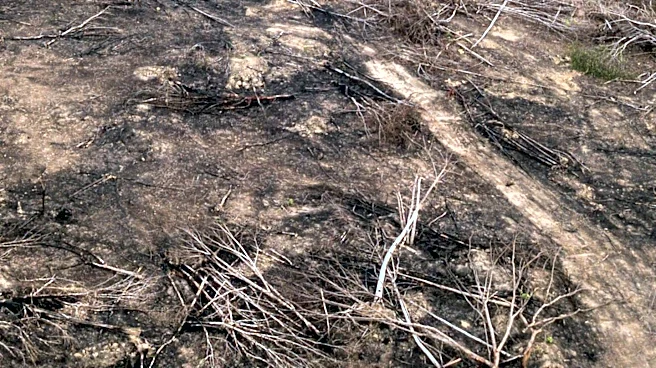
State University, examined 18,000 forest patches and discovered that unwritten social rules in small communities help maintain sustainable land use. This practice, known as swidden agriculture, involves cutting down small plots of trees, burning them to enrich the soil, and growing crops until the land needs a break. The study highlights how local customs can regulate land use without the need for government oversight.
Why It's Important?
The findings of this study are important as they challenge the long-held belief that slash-and-burn farming is inherently destructive to rainforests. By demonstrating that community rules can sustain forest health, the research suggests that local customs can be more effective than legal bans in managing land use. This has implications for global climate policies and environmental protection strategies, as it highlights the potential for small-scale rural communities to manage their forests sustainably. Supporting these communities in using their customary practices could lead to more effective conservation efforts and biodiversity preservation.