



What's Happening?
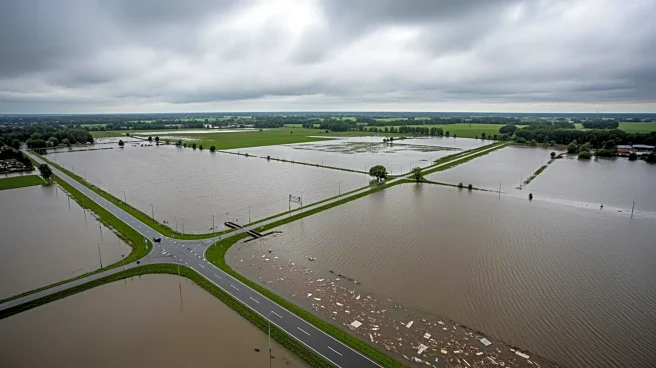
A recent report by research firm BMI highlights the increasing flood risks in South-east Asia, particularly affecting the transport and agricultural sectors. The report notes that many airports, roads, and railways are located in flood-prone areas, leading
to potential disruptions. This includes major tourist hubs like Indonesia's international airports in Bali and Jakarta. Additionally, croplands are increasingly vulnerable to flooding, exacerbated by deforestation and soil erosion. The report warns that as global warming accelerates and populations in vulnerable areas grow, the risk of disruption and food-supply shocks will rise. The study also indicates that a significant portion of the population in countries like Indonesia, Malaysia, Singapore, Vietnam, and the Philippines live in flood-prone areas.
Why It's Important?
The findings of the BMI report underscore the urgent need for improved infrastructure resilience and disaster preparedness in South-east Asia. The transport and agricultural sectors are critical to the region's economy, and disruptions could have far-reaching impacts on trade, tourism, and food security. As climate change continues to exacerbate weather-related risks, governments and businesses in the region may need to invest in adaptive measures to mitigate these threats. The report also highlights the disparity in climate resilience between developed and emerging markets, suggesting a need for international cooperation and support to enhance regional resilience.