



What's Happening?
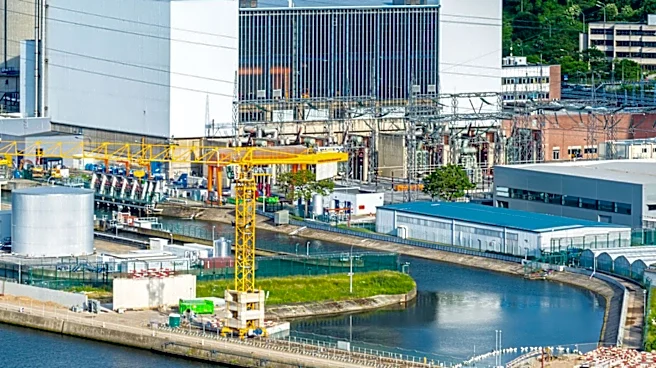
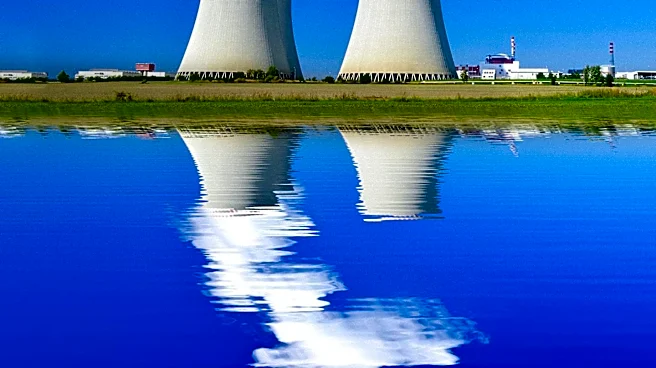
Dairyland Power Cooperative is evaluating the feasibility of bringing nuclear power back to the former site of the La Crosse Boiling Water Reactor in Genoa, Wisconsin. This site previously housed Wisconsin's first nuclear energy power plant, which operated
from 1967 to 1987, and a coal-fired power plant that was retired in 2021 and demolished in 2024. Dairyland Power is collaborating with Applied Atomics, a company specializing in small modular nuclear reactors. Grover Hettel, Dairyland’s executive vice president and chief nuclear officer, stated that the cooperative is interested in nuclear power as a carbon-free, reliable complement to its existing solar and wind projects. The new small modular reactors are significantly smaller, operating at 100 to 150 megawatts compared to older plants that ranged from 700 to 1500 megawatts, allowing for more cost-effective factory construction rather than on-site building.
Why It's Important?
The potential reintroduction of nuclear power at the Genoa site holds significant implications for Wisconsin's energy landscape and the broader U.S. energy strategy. The site's history as a nuclear plant could streamline the regulatory process, as environmental studies and community outreach might be less extensive due to prior experience. This could accelerate the deployment of new nuclear technology, offering a reliable, carbon-free electricity source that operates continuously, unlike intermittent renewables. For Dairyland Power, it represents a strategic move towards diversifying its energy portfolio and reducing reliance on fossil fuels. The availability of federal grants and low-interest loans for nuclear projects makes this an opportune time for such evaluations. If successful, this project could serve as a precedent for other former nuclear sites across the U.S., demonstrating a pathway for revitalizing existing infrastructure for advanced nuclear technologies.
What's Next?
Dairyland Power will continue its evaluation of the cost-effectiveness and logistical aspects of deploying small modular reactors at the Genoa site. This assessment will likely involve detailed technical and financial analyses, as well as further engagement with regulatory bodies. The cooperative will need to navigate the complexities of nuclear waste disposal, a common concern raised by opponents of nuclear power. While the site's history may ease some regulatory hurdles, public perception and community acceptance will remain crucial. If the evaluation proves favorable, Dairyland Power would proceed with formal proposals and seek necessary approvals, potentially leading to the construction of a new generation of nuclear power plants in Wisconsin. The success of this initiative could influence other utilities considering similar projects, particularly those with decommissioned nuclear sites.
Beyond the Headlines
This initiative reflects a broader national re-evaluation of nuclear energy as a critical component of a clean energy future. The development of smaller, more efficient, and safer modular reactors addresses some of the historical criticisms of nuclear power, such as high construction costs and safety concerns. The focus on factory-built reactors could revolutionize the construction process, making nuclear power more economically viable and scalable. Furthermore, the project highlights the importance of leveraging existing infrastructure and community familiarity with nuclear operations to facilitate new deployments. The debate surrounding nuclear power, particularly regarding waste disposal and cost, will continue to be a central theme. However, the push for carbon-free energy and energy independence is driving renewed interest and investment in advanced nuclear technologies, positioning projects like Dairyland's as key indicators of future energy trends.