




What's Happening?
A federal appeals court in Boston is reviewing the constitutionality of Maine's campaign finance law, which limits contributions to super PACs to $5,000. The law, approved by 75% of Maine voters in 2024, is being challenged by two conservative PACs, Dinner
Table Action and For Our Future, who argue it violates free speech rights. The case has potential national implications, as it addresses the influence of super PACs in elections and the balance between campaign finance regulation and First Amendment rights.
Why It's Important?
The outcome of this case could set a precedent for campaign finance laws across the United States. If Maine's law is upheld, it could lead to similar regulations in other states, potentially reducing the influence of large financial contributions in elections. The case also highlights the ongoing debate over the role of money in politics and the need for transparency and accountability in campaign financing. It raises questions about the impact of super PACs on democratic processes and the potential for corruption.
What's Next?
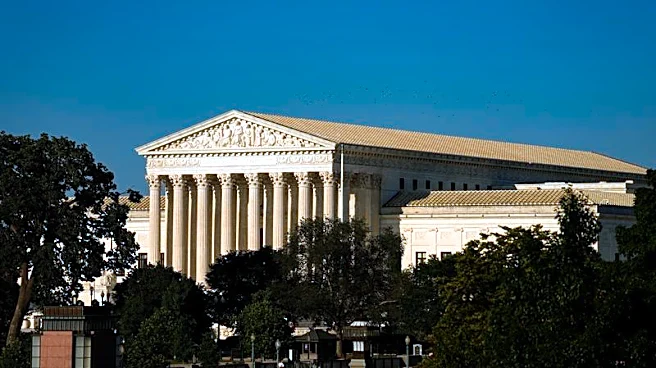
If the First Circuit Court of Appeals upholds Maine's law, the case is likely to be reviewed by the U.S. Supreme Court. This could lead to a landmark decision on the constitutionality of super PAC contribution limits. The case may also prompt legislative efforts to address campaign finance issues at both state and federal levels, as stakeholders seek to balance free speech rights with the need for fair and transparent elections.