




What's Happening?
Qarsoq Høegh-Dam, a Greenlandic politician, has been elected to the Danish parliament as a member of the pro-independence Naleraq party. His election comes amid ongoing geopolitical tensions involving Greenland, Denmark, and the United States. The tensions were
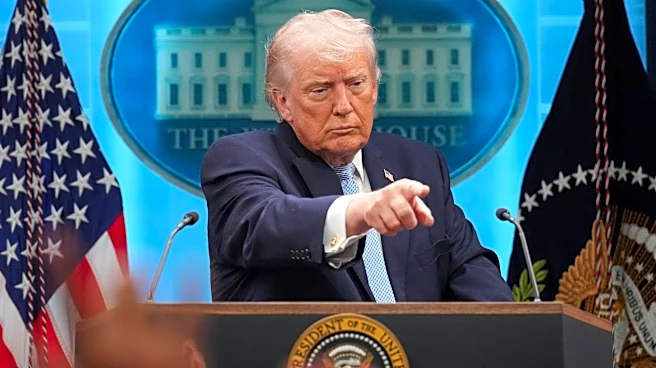
notably heightened during President Trump's administration when he expressed interest in acquiring Greenland, leading Denmark to prepare for potential US military actions. Although tensions have eased, the situation remains unresolved, with ongoing discussions about Greenland's autonomy. Høegh-Dam's election highlights the push for Greenland's self-governance, aiming for the island to be solely governed by its parliament in Nuuk. The historical context includes Greenland's colonization by Denmark-Norway in 1721, its integration into the Kingdom of Denmark in 1953, and the introduction of home rule in 1979. Despite increased autonomy, Copenhagen retains control over Greenland's foreign and security policies.
Why It's Important?
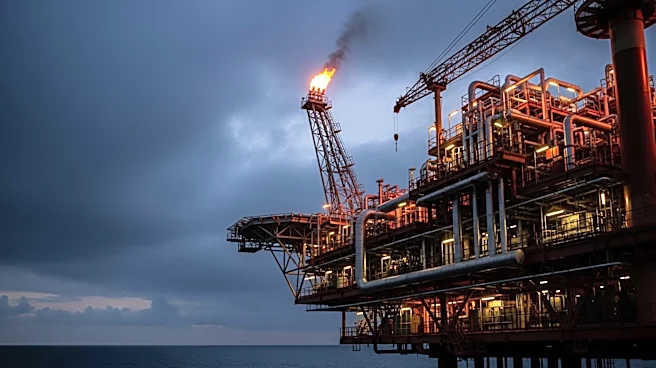
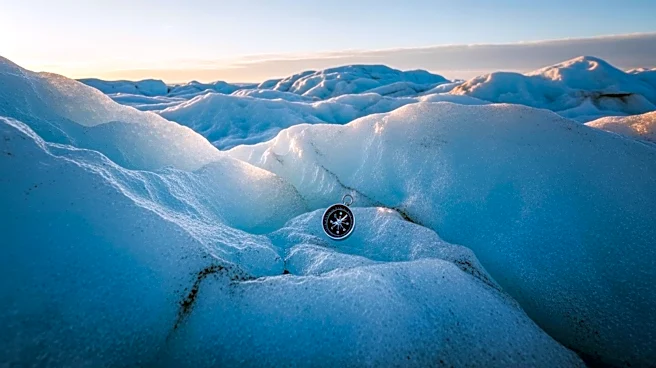
The push for Greenland's self-governance is significant in the context of global geopolitical interests in the Arctic region. Greenland's strategic location and natural resources make it a focal point for superpowers like the US and Russia. The ongoing discussions about Greenland's autonomy could impact international relations, particularly between Denmark and the US. The situation also underscores the broader issues of colonial legacy and self-determination for indigenous populations. Greenland's move towards independence could set a precedent for other territories seeking greater autonomy. Additionally, the geopolitical dynamics in the Arctic could influence global security and environmental policies, given the region's importance in climate change discussions.
What's Next?
Future developments may include continued negotiations between Greenland and Denmark regarding autonomy and self-governance. The outcome of these discussions could affect Greenland's foreign policy and its ability to manage its resources independently. The situation may also prompt responses from other Arctic nations and international bodies interested in the region's stability and resource management. The potential for Greenland's full independence could lead to shifts in regional alliances and economic partnerships, particularly concerning resource exploration and environmental conservation.