







What's Happening?
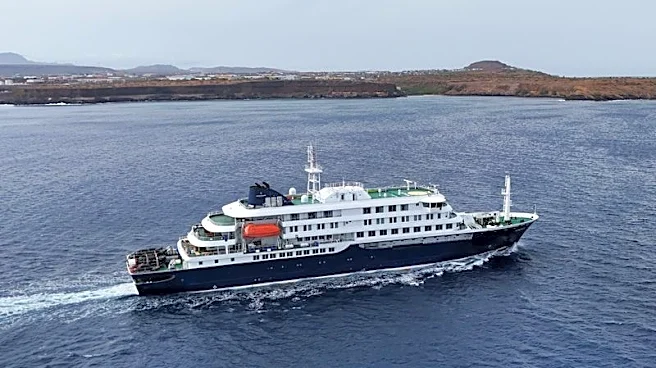
The Centers for Disease Control and Prevention (CDC) has reassured the public that the risk of a widespread hantavirus outbreak in the United States remains low. This statement comes amid concerns following an outbreak on the MV Honius cruise ship, where
the Andes strain of the virus, known for its rare person-to-person transmission capability, resulted in three fatalities. The CDC emphasized that hantavirus is typically contracted through contact with rodent excretions, and person-to-person transmission is uncommon. The agency has extensive experience with the Andes strain and is closely monitoring the situation. Currently, seven American passengers from the cruise have returned to the U.S. and are under observation, while 17 others remain on the ship, which is nearing the Canary Islands.
Why It's Important?
The CDC's announcement is significant as it addresses public fears of a potential pandemic similar to COVID-19. By clarifying the low risk of widespread contagion, the CDC aims to prevent panic and misinformation. The agency's experience with the virus and its proactive monitoring of returning passengers underscore the importance of preparedness and public health communication. This situation highlights the need for vigilance in monitoring infectious diseases, especially those with pandemic potential, to protect public health and maintain confidence in health authorities.
What's Next?
The CDC will continue to monitor the health of the American passengers who have returned and those still aboard the cruise ship. The 17 passengers remaining on the ship will be brought back to the U.S. and observed at the National Quarantine Unit at the University of Nebraska Medical Center. This step is precautionary and not a formal quarantine. The CDC's ongoing surveillance and communication efforts will be crucial in managing public perception and ensuring that any potential spread is swiftly contained.