

What's Happening?
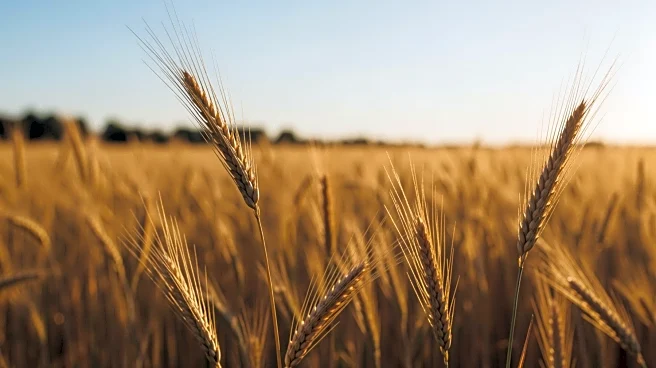
The Food for Peace program, officially known as Public Law 480, has been a cornerstone of U.S. agricultural and humanitarian policy since its inception in 1954 under President Dwight D. Eisenhower. The program aims to utilize the abundance of U.S. agricultural products,
particularly wheat, to combat global hunger and promote peace. Kansas wheat farmers, among others, have benefited from this initiative, which not only aids in feeding displaced families worldwide but also strengthens domestic agricultural markets. Despite its longstanding success, recent policy changes have led to a decline in the use of U.S.-grown wheat in the program. These changes allow for more local and regional food purchases, sometimes using U.S. taxpayer dollars to buy foreign commodities, which has reduced the direct benefits to American farmers.
Why It's Important?
The Food for Peace program plays a dual role in addressing global hunger and supporting U.S. agriculture. By providing U.S.-grown wheat to regions in crisis, the program helps build long-term relationships and future demand for American agricultural products. This not only aids in humanitarian efforts but also bolsters the U.S. economy by supporting domestic farmers. However, the shift towards purchasing foreign commodities with U.S. funds could undermine these benefits, potentially impacting the economic stability of U.S. farmers who rely on the program. The program's ability to maintain its dual objectives of humanitarian aid and economic support is crucial for its continued success and relevance.
What's Next?
The future of the Food for Peace program may involve balancing the need for local and regional food purchases with the interests of U.S. farmers. Policymakers might need to reassess the program's structure to ensure it continues to support American agriculture while effectively addressing global hunger. Stakeholders, including agricultural associations and humanitarian organizations, may advocate for adjustments that maximize the program's benefits for both U.S. farmers and international recipients. Ongoing discussions and potential legislative changes could shape the program's trajectory in the coming years.