





What's Happening?
Hawaiian Electric has announced its continued commitment to retiring two major fossil fuel-fired power plants on Maui, the Mā‘alaea Generating Station and the Kahului Power Plant, despite recent actions by the Environmental Protection Agency (EPA). The
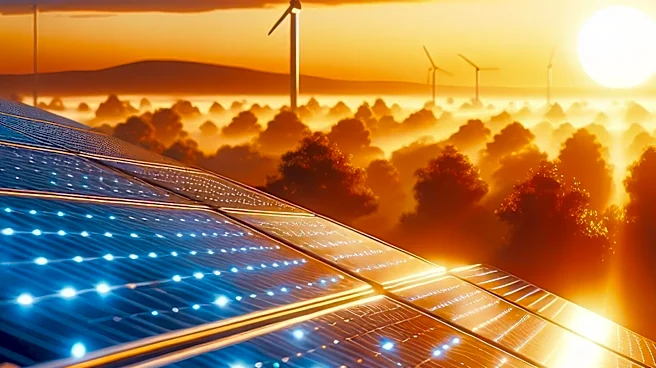
EPA recently repealed most of the Biden administration’s greenhouse gas requirements for U.S. power plants and proposed rescinding all remaining greenhouse gas standards for the power sector. The agency justified these changes by stating that the previous rules were "effectively forcing plants to retire rather than setting standards they could actually meet." However, Hawaiian Electric stated that these EPA revisions will "have no effect" on its plans, reaffirming its commitment to Hawaii's clean energy goals, renewable energy integration, grid modernization, and emissions reduction objectives. The company has been working towards a state-mandated goal of 100% renewable energy by 2045 and had reached 37% renewable energy across the five islands it serves as of 2025.
Why It's Important?
This decision by Hawaiian Electric highlights a divergence between federal regulatory shifts and state-level clean energy initiatives. While the EPA's move aims to reduce regulatory burdens on power plants, potentially extending the life of fossil fuel operations, Hawaiian Electric's stance underscores the influence of state laws and corporate commitments to renewable energy. This situation could set a precedent for other states or utilities facing similar federal regulatory changes, demonstrating that local clean energy mandates can supersede broader federal deregulation. The continued push for renewable energy in Hawaii, despite the EPA's actions, reflects a broader trend in some U.S. regions to transition away from fossil fuels due to environmental concerns, cost savings from competitive renewable energy pricing, and grid resilience issues highlighted by recent storm-related power outages. This commitment also impacts the energy sector by driving investment in renewable energy and battery storage projects, such as the Waena battery system on Maui, which is crucial for grid stability as fossil fuel plants are phased out.
What's Next?
Hawaiian Electric plans to proceed with the tiered closure of the Mā‘alaea Generating Station between 2027 and 2032, and the Kahului Power Plant by 2028. The company will engage with the Hawaii Department of Health to revise Hawaii's long-term strategy to meet the requirements of the Regional Haze Rule, balance grid reliability, and minimize customer impacts. The ongoing appeal regarding the EPA's partial disapproval of Hawaii's 2024 Regional Haze State Implementation Plan could still influence the exact retirement dates, though Hawaiian Electric maintains its intent to retire the units in a reasonable timeframe. The construction of new renewable energy projects, such as the second phase of the Kūihelani Solar Project, will continue to be critical in replacing the capacity of the retiring fossil fuel plants and ensuring energy reliability for Maui residents.
Beyond the Headlines
The situation in Hawaii illustrates the complex interplay between federal environmental policy, state-level energy mandates, and utility company strategies. The EPA's decision to ease greenhouse gas restrictions, while framed as a move to restore reliable and affordable baseload power, is viewed by some environmental advocates as a step that could prolong reliance on fossil fuels and exacerbate climate change. Conversely, Hawaiian Electric's adherence to its renewable energy goals, driven by state law, demonstrates a commitment to long-term environmental sustainability and energy independence, even if it means navigating conflicting regulatory landscapes. This scenario also brings to light the vulnerability of aging fossil fuel infrastructure to extreme weather events, as highlighted by recent power outages in Hawaii, further strengthening the argument for a transition to more resilient, decentralized renewable energy systems. The debate over "reliable and affordable baseload power" versus the urgency of climate action will likely continue to shape energy policy and investment decisions across the U.S.