







What's Happening?
The Southeastern Pennsylvania Transportation Authority (SEPTA) has reported its highest ridership figures since the onset of the COVID-19 pandemic. The agency is now serving an average of 822,000 daily riders. This marks a significant recovery, though
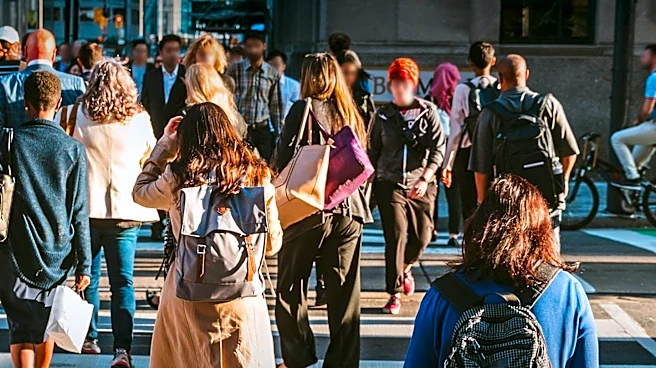
it still falls approximately 100,000 daily riders short of the levels recorded in 2019, prior to the pandemic. Notably, bus ridership has seen a 14% increase compared to the same period last year, with gains observed not only during weekdays but also on weekends. This surge indicates a gradual return of commuters and other travelers to public transportation in the Philadelphia metropolitan area.
Why It's Important?
This increase in SEPTA ridership is a crucial indicator of economic and social recovery in the Philadelphia region. For businesses, particularly those in urban centers, higher public transit usage often translates to increased foot traffic and consumer spending. It suggests a return to pre-pandemic routines for many residents, including commuting to offices, attending events, and engaging in leisure activities. From an environmental perspective, a sustained increase in public transportation ridership could contribute to reduced traffic congestion and lower carbon emissions, aligning with broader sustainability goals. For SEPTA itself, higher ridership is vital for financial stability, potentially reducing reliance on subsidies and allowing for reinvestment in infrastructure and services. The growth in weekend ridership also highlights a shift in usage patterns, indicating that public transit is increasingly being utilized for non-work-related travel, which could influence future service planning and development.
What's Next?
SEPTA will likely continue to monitor ridership trends closely to assess the sustainability of this recovery and identify areas for further growth. The agency may explore strategies to attract the remaining 100,000 daily riders needed to reach 2019 levels, potentially through service enhancements, promotional campaigns, or partnerships with local businesses and institutions. The observed increase in weekend bus ridership could lead to adjustments in weekend service schedules or the introduction of new routes to cater to evolving demand. Furthermore, as more people return to public transit, SEPTA will need to ensure adequate capacity and maintain service reliability to retain and grow its customer base. Discussions around funding and infrastructure improvements may also gain traction as ridership numbers continue to climb, emphasizing the importance of public transportation in urban development.
Beyond the Headlines
The rebound in SEPTA ridership reflects a broader societal recalibration post-pandemic, where the balance between remote work and in-person activities is still being defined. This trend could influence urban planning, real estate markets, and the future of downtown areas. A robust public transportation system is often seen as a cornerstone of equitable urban development, providing access to employment, education, and healthcare for all residents, regardless of car ownership. The challenges faced by public transit during the pandemic highlighted its essential role and the vulnerabilities of urban infrastructure to widespread disruptions. This recovery period offers an opportunity to re-evaluate and strengthen public transportation systems, making them more resilient and adaptable to future crises, while also addressing long-standing issues of accessibility and efficiency. The data from SEPTA could serve as a case study for other metropolitan areas grappling with similar post-pandemic recovery challenges.