





What's Happening?
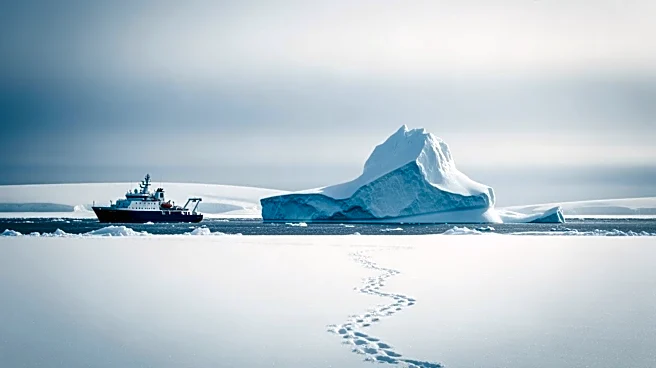
Recent satellite measurements have revealed a significant acceleration in the rate of sea level rise, which began around 2012. This increase, from an average of 2.9 millimeters per year to 4.1 millimeters per year, is attributed to several factors associated
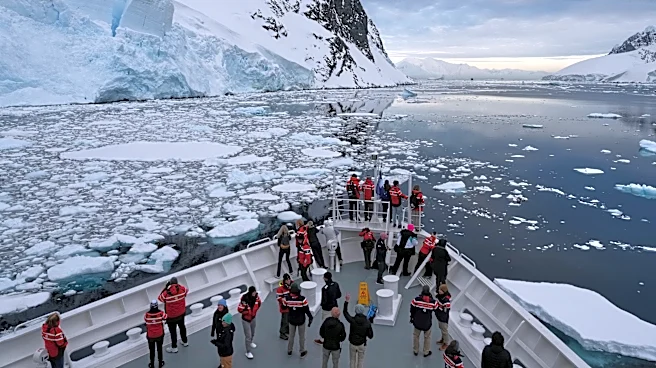
with global warming. The melting of ice sheets in Greenland and Antarctica, along with the thermal expansion of oceans as they warm, are primary contributors. Additionally, a reduction in aerosol pollution, particularly from countries like China, has lessened the cooling effect these particles have, thereby exacerbating the warming effect of rising carbon dioxide levels. This change in pollution levels is believed to have contributed to the observed acceleration in sea level rise.
Why It's Important?
The acceleration in sea level rise poses significant risks to coastal communities and ecosystems. As sea levels continue to rise, the frequency and severity of coastal flooding are expected to increase, threatening infrastructure, homes, and livelihoods. This trend also has implications for global food security, as saltwater intrusion can affect agricultural lands. Furthermore, the economic costs associated with adapting to and mitigating these impacts are substantial, potentially straining public resources and affecting economic stability. Understanding the drivers of sea level rise is crucial for developing effective strategies to manage and mitigate its impacts.
What's Next?
Further research is needed to fully understand the contributions of deep ocean warming to sea level rise. Current models suggest that warming of ocean waters below 2 kilometers is a significant factor, particularly in the North Atlantic Ocean. Continued monitoring and data collection are essential to refine these models and improve predictions. Policymakers and scientists must collaborate to develop adaptive strategies to protect vulnerable coastal regions. International cooperation will be key in addressing the global nature of climate change and its impacts on sea level rise.
Beyond the Headlines
The findings highlight the complex interplay between human activities, such as pollution control, and natural climate processes. The reduction in aerosol emissions, while beneficial for air quality and health, has inadvertently accelerated global warming by removing a cooling factor. This underscores the need for comprehensive climate policies that consider the multifaceted impacts of environmental regulations. Additionally, the research points to gaps in our understanding of deep ocean processes, emphasizing the importance of continued investment in oceanographic research and technology.