


What's Happening?
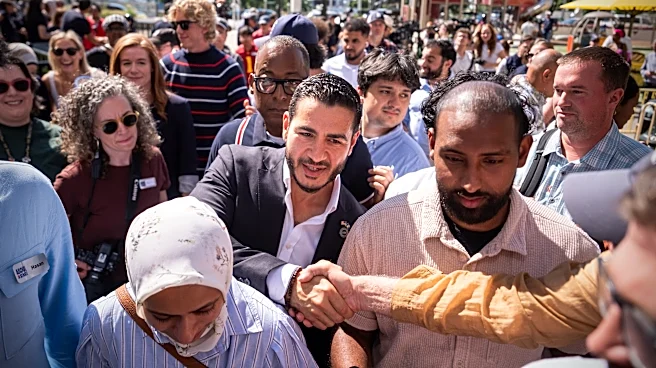
Abdul El-Sayed has made history by becoming the first Muslim nominated by the Democratic Party to run for the U.S. Senate in Michigan. However, his nomination has sparked a surge in anti-Muslim sentiment across the country. Prominent figures, including
President Trump, have criticized El-Sayed, using his full name to depict him as a threat to national security. This backlash is part of a broader trend of anti-Muslim rhetoric, with tensions rising in communities opposing the construction of new mosques. Despite these challenges, El-Sayed remains committed to his campaign, emphasizing common values shared by all Americans.
Why It's Important?
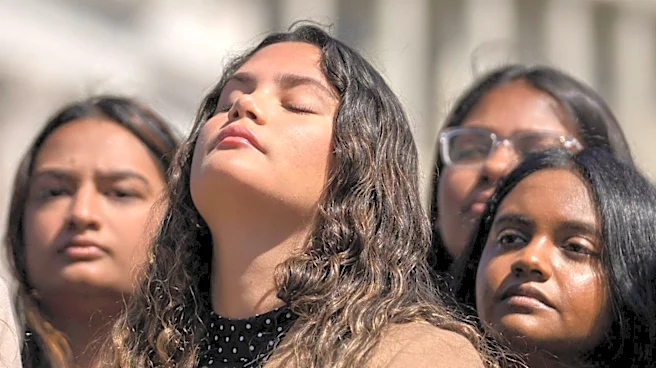
El-Sayed's nomination represents a significant milestone for Muslim Americans, highlighting their growing political influence. However, the backlash underscores persistent Islamophobia in the U.S., which could impact social cohesion and civil rights. The opposition to mosque construction and anti-Muslim rhetoric reflect broader societal tensions, potentially affecting community relations and public policy. This situation calls for increased dialogue and understanding to address prejudices and promote inclusivity. The outcome of El-Sayed's campaign could influence future political dynamics and minority representation in the U.S.