



What's Happening?
Israel's national emergency medical service, Magen David Adom (MDA), has trained local Red Cross first aid instructors in South Sudan. The training focused on providing life-saving care in situations where conventional medical equipment is unavailable,
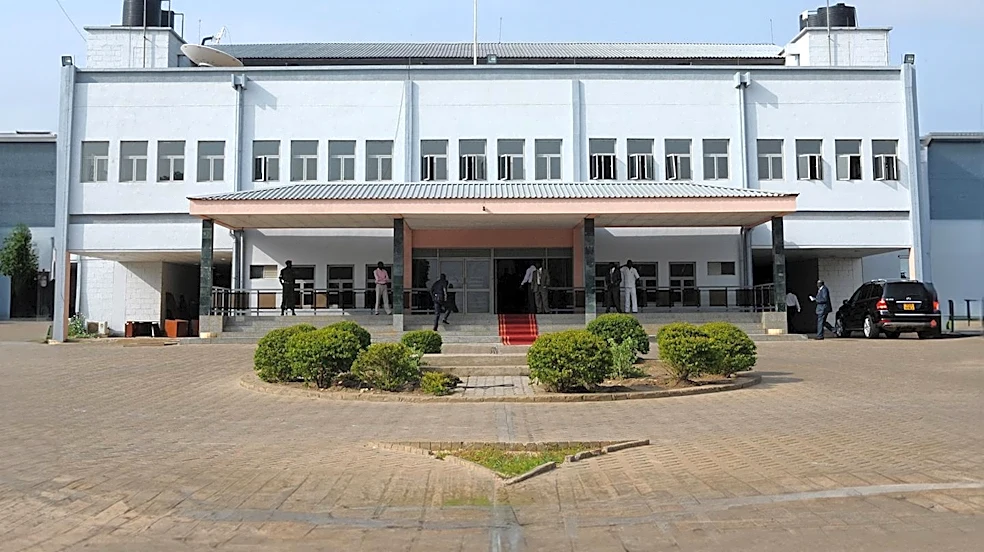
a common challenge in South Sudan due to severe equipment shortages and limited access to hospitals. Participants learned to control bleeding, dress wounds, and stabilize injuries using everyday household items like bedsheets, towels, blankets, and sticks. The initiative, a collaboration between MDA, the Israeli Embassy in South Sudan, the Israeli Foreign Ministry's Agency for International Development Cooperation (MASHAV), and the International Committee of the Red Cross, aims to equip first responders with practical skills for emergencies in remote areas where they may be the sole medical provider for days. This builds on previous Israeli medical assistance efforts in the country, including the establishment of a trauma center in Juba.
Why It's Important?
This training is crucial for improving emergency medical response in South Sudan, a nation grappling with significant healthcare infrastructure challenges. By empowering local first aid instructors with skills to improvise medical care using readily available materials, the program directly addresses the critical gap in immediate medical attention, particularly in remote regions. This initiative can significantly reduce preventable deaths and disabilities by ensuring that basic, life-saving interventions can be performed even in the absence of standard medical supplies. The collaboration also strengthens diplomatic ties between Israel and South Sudan, demonstrating a commitment to international humanitarian aid and capacity building. For the U.S., such efforts align with broader global health security goals and humanitarian principles, potentially reducing the burden on international aid organizations and fostering stability in vulnerable regions.
What's Next?
The newly trained instructors are expected to pass on their acquired skills to other first responders within their communities across South Sudan. This 'train-the-trainer' model aims to create a ripple effect, expanding the network of individuals capable of providing emergency care with limited resources. The ongoing collaboration between the involved organizations suggests a potential for further medical assistance and capacity-building programs in South Sudan. Israeli Ambassador to South Sudan Gershon Kedar emphasized that such initiatives contribute to stronger ties between the two countries, indicating a continued focus on developing local professional capabilities. The long-term goal is to enhance the overall resilience of South Sudan's emergency medical services, enabling more effective responses to life-threatening situations.
Beyond the Headlines
The program highlights the innovative adaptation required in humanitarian aid when operating in resource-scarce environments. It underscores the ethical imperative to provide medical care regardless of equipment availability, pushing the boundaries of conventional medical training. This approach could serve as a model for other developing nations facing similar challenges, promoting self-sufficiency and localized solutions in emergency medicine. The initiative also subtly addresses the broader issue of health equity, ensuring that geographical and economic barriers do not completely preclude access to life-saving interventions. By focusing on practical, low-cost solutions, the training fosters a sense of empowerment within local communities, enabling them to take ownership of their health and safety in challenging circumstances.