







What's Happening?
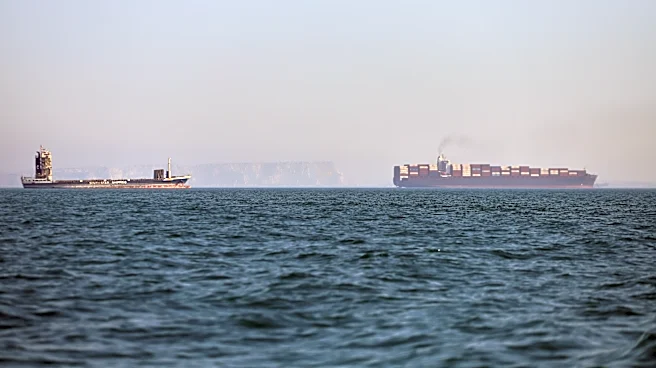
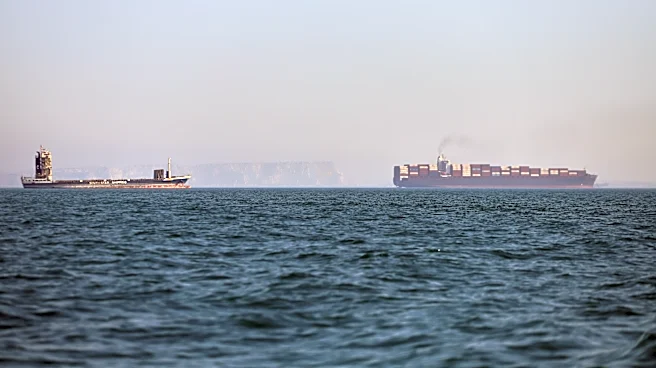
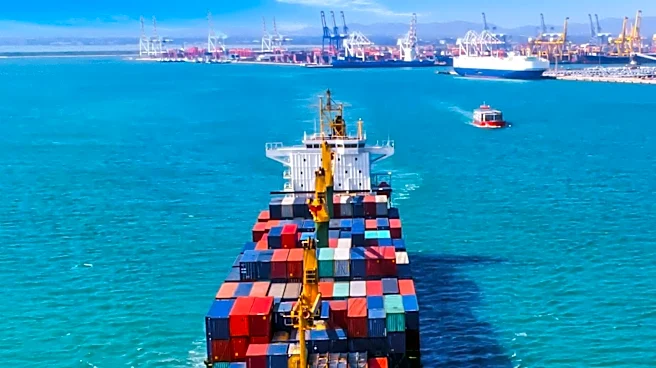
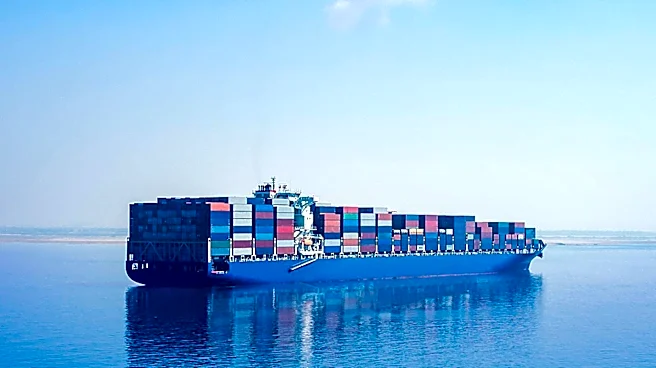
At least eight ships controlled by Japan's Mitsui OSK Lines Ltd. are navigating out of the Strait of Hormuz using a route close to Iran. This includes five supertankers, two chemical tankers, and a car carrier. These vessels are part of a convoy and are among
the last trapped oil tankers attempting to exit the waterway. Iran has been asserting control over Hormuz since reaching an interim peace deal with the U.S. last month. Some tankers initially tried to use a U.S.-managed route by Oman but switched to a route closer to Iran, which requires Iranian permission for passage. If successful, this would reduce the number of large oil tankers trapped in the Persian Gulf from over 100 in March to just a few. Mitsui OSK Lines has requested support from Tokyo for safe passage, and Japan has been in talks with Iran to ensure free transit through Hormuz.
Why It's Important?
The movement of these ships is significant as it reflects the geopolitical tensions and economic implications surrounding the Strait of Hormuz, a critical chokepoint for global oil supply. The successful navigation of these tankers could alleviate some of the supply constraints and potentially stabilize oil prices, which have been affected by the conflict. Japan, being heavily reliant on oil imports, has a vested interest in ensuring the free flow of oil through Hormuz. The situation also highlights the delicate balance of power and diplomacy in the region, with Iran's control over the strait posing challenges for international shipping and energy markets.
What's Next?
The international community, particularly countries dependent on oil imports, will be closely monitoring the situation. Further diplomatic engagements between Japan and Iran are likely as Japan seeks to secure safe passage for its vessels. The outcome of these negotiations could influence future shipping routes and strategies in the region. Additionally, the global oil market will be watching for any changes in supply dynamics that could impact prices.