






What's Happening?
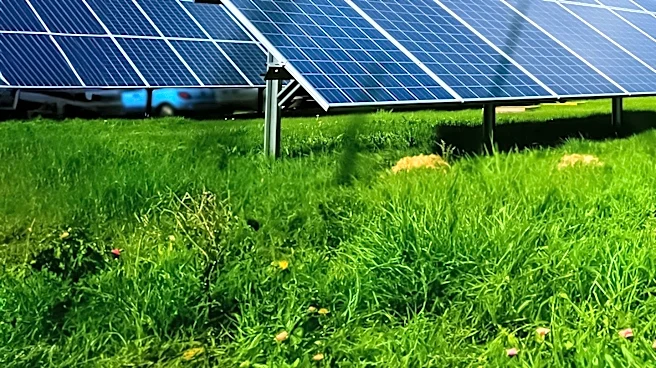
Solar energy, a renewable resource derived from the sun's radiation, is harnessed through various technologies to produce electricity or heat. Photovoltaic (PV) solar energy directly converts sunlight into electricity using solar cells, which generate
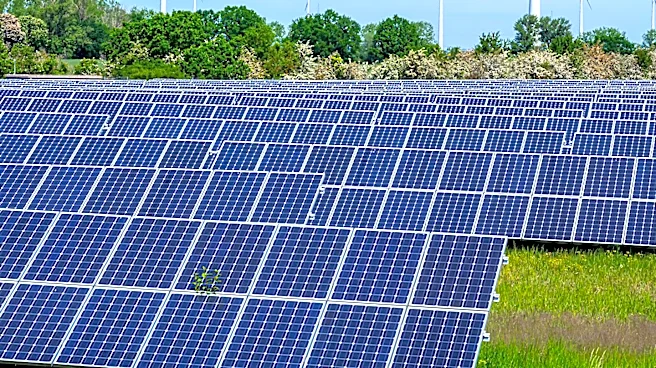
direct current (DC) that is then converted to alternating current (AC) for use in homes and businesses. PV systems are scalable and can be installed on residential rooftops, commercial buildings, and large ground-mounted plants. Solar thermal energy, conversely, uses sunlight to produce heat, commonly for water heating and space heating in residential and commercial settings. Concentrated solar power (CSP) systems employ mirrors to focus sunlight, generating heat to produce electricity, primarily in large, utility-scale plants in areas with consistent sunlight. CSP designs include parabolic troughs, power towers, and dish systems, with some incorporating thermal storage like molten salt to generate electricity even without direct sunlight. Additionally, passive solar energy utilizes building design elements such as orientation, window placement, and insulation to optimize natural lighting and maintain indoor temperatures without mechanical equipment.
Why It's Important?
The diverse applications of solar energy are critical for the U.S. in transitioning towards a sustainable and diversified energy portfolio. PV technology offers a decentralized approach to electricity generation, empowering individual homeowners and businesses to produce their own power, thereby reducing reliance on centralized grids and potentially lowering energy costs. The scalability of PV systems allows for widespread adoption across various sectors and geographies. Solar thermal systems provide an efficient and environmentally friendly method for heating, reducing the demand for fossil fuels in residential and commercial heating applications. CSP, with its ability to incorporate thermal storage, addresses the intermittency challenge of other renewable sources, offering a more consistent power supply for utility-scale operations. Passive solar design contributes to energy efficiency in buildings, lowering heating and cooling demands and reducing the overall carbon footprint of the built environment. Collectively, these solar technologies contribute to energy independence, economic growth through job creation in manufacturing and installation, and significant reductions in greenhouse gas emissions, aligning with national climate goals.
What's Next?
The continued advancement and integration of solar energy technologies are expected to play a pivotal role in the future of U.S. energy. Ongoing research and development are likely to focus on improving the efficiency and cost-effectiveness of PV cells, enhancing the durability of solar thermal collectors, and optimizing thermal storage solutions for CSP plants. The expansion of hybrid solar systems, which combine solar generation with battery storage and grid connectivity, will offer greater energy resilience and reliability for both residential and commercial users. Policy initiatives, such as incentives and rebates for solar installations, will continue to drive adoption rates. Furthermore, educational programs and workforce development initiatives will be crucial to support the growing demand for skilled professionals in the solar industry. The increasing awareness of climate change and the economic benefits of renewable energy will likely accelerate the deployment of these technologies, leading to a more robust and sustainable energy infrastructure across the United States.
Beyond the Headlines
Beyond their direct energy contributions, solar technologies have broader societal and environmental implications. The widespread adoption of rooftop solar, for instance, can foster a sense of energy independence and community resilience, particularly in the face of grid vulnerabilities or natural disasters. The integration of passive solar design principles into urban planning and architectural standards can lead to more sustainable and livable cities, reducing urban heat island effects and improving indoor air quality. The growth of the solar industry also presents opportunities for technological innovation and economic diversification, attracting investment and creating new markets. However, challenges such as the disposal of solar panel waste, land use for large-scale solar farms, and the equitable distribution of solar benefits will need to be addressed. These considerations highlight the complex interplay between technological advancement, environmental stewardship, and social equity in the ongoing energy transition.