


What's Happening?
Lafayette College is offering GOVT 228: Global Democracy, a fall semester course taught by Assistant Professor of Government and Law, Anna Callis. The course provides a comprehensive survey of democracy worldwide, beginning with theoretical concepts and progressing
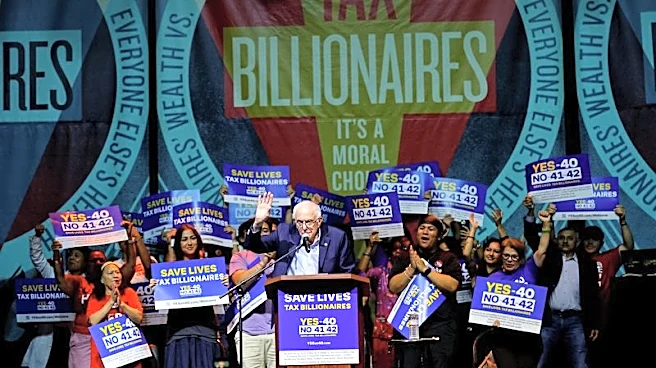
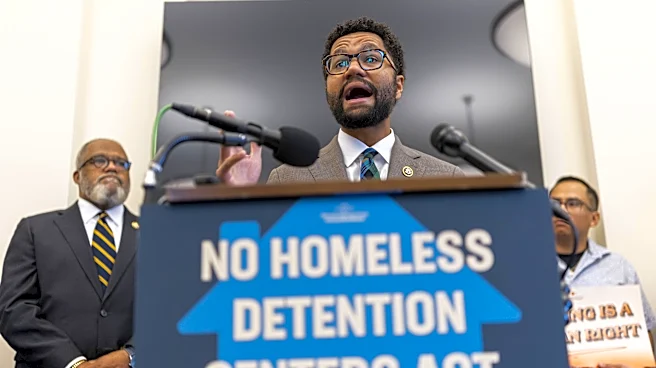
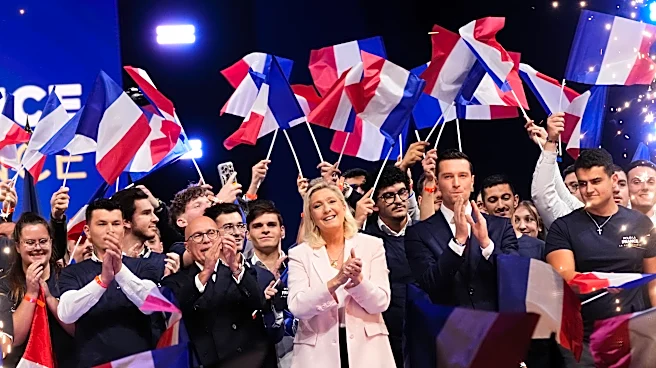
to contemporary challenges impacting core democratic elements globally, including in the United States. Topics covered include political polarization, economic inequality, populism, and ethnic conflict. The class also examines instances of democratic breakdown, distinguishing modern forms from historical military coups, and concludes by exploring ways citizens and politicians can counter democratic backsliding. Professor Callis fosters lively, discussion-based sessions, encouraging students to engage with diverse perspectives and critically analyze current events, such as political polarization, through examples like the 'Worlds Apart' Heineken ad campaign.
Why It's Important?
This course is significant in the current U.S. and global political climate, where democratic institutions face increasing pressures. By exploring challenges like polarization and economic inequality, students gain a deeper understanding of the forces shaping contemporary governance. The focus on democratic backsliding, particularly in the U.S. context, equips future leaders and citizens with the analytical tools to identify and address threats to democratic principles. The emphasis on critical thinking and diverse perspectives is crucial for fostering informed civic engagement and promoting constructive dialogue in a highly divided society. For students, the course offers an opportunity to synthesize their views, question assumptions, and develop more informed political viewpoints, which is vital for a healthy democracy. The interactive nature of the class also cultivates essential communication and collaboration skills.
What's Next?
The continued offering and potential expansion of courses like GOVT 228 suggest a growing recognition within higher education of the need to prepare students for complex global political realities. As challenges to democracy persist, there may be an increased demand for interdisciplinary studies that integrate political science, economics, sociology, and ethics to provide a holistic understanding of these issues. Universities might also explore more experiential learning opportunities, such as simulations or community engagement projects, to allow students to apply theoretical knowledge to real-world democratic processes. The success of Professor Callis's discussion-based approach could influence pedagogical methods in other political science and social studies courses, encouraging more interactive and student-centered learning environments to tackle sensitive and complex topics.
Beyond the Headlines
The course's exploration of global democracy extends beyond mere academic study, touching upon fundamental questions of societal values, human rights, and the future of governance. By examining how different societies define and practice democracy, students are prompted to reflect on the ethical underpinnings of political systems and the responsibilities of citizenship. The discussion of polarization and its effects, including the erosion of trust and policy gridlock, highlights the cultural and social dimensions of political dysfunction. Furthermore, the course's concluding focus on countering democratic backsliding instills a sense of agency and hope, encouraging students to consider their roles in safeguarding and strengthening democratic institutions. This educational approach contributes to a more resilient and engaged citizenry capable of navigating complex political landscapes and advocating for democratic ideals.