







What's Happening?
The U.S. Senate has voted 50-49 to overturn a 20-year ban on mining near the Boundary Waters Canoe Area Wilderness. This decision was made using the Congressional Review Act to override a public lands order issued in 2023 by former Interior Secretary
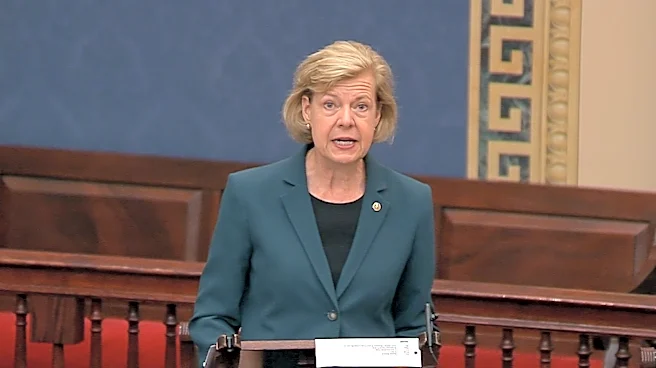
Deb Haaland. The resolution, HJ Res 140, was introduced by Rep. Pete Stauber and passed the House on a party-line vote. The Senate's decision has sparked concerns about the potential environmental impact on the Boundary Waters and the precedent it sets for future public land protections. Senators from Minnesota opposed the resolution, warning that it could lead to pollution and undermine decades of conservation efforts.
Why It's Important?
The Senate's decision to overturn the mining ban could have significant environmental and political implications. The Boundary Waters is a critical natural resource, and the introduction of mining activities could lead to pollution and long-term ecological damage. This move also sets a precedent for using the Congressional Review Act to reverse public land protections, potentially affecting other areas across the U.S. The decision has been met with opposition from environmental groups and some lawmakers who argue it prioritizes short-term economic gains over sustainable land management. The outcome could influence future legislative actions and public policy regarding land use and environmental conservation.
What's Next?
Following the Senate's decision, there may be legal challenges to the use of the Congressional Review Act in this context. Environmental groups and some lawmakers have indicated they will continue to fight to protect the Boundary Waters, potentially through court actions. The resolution's passage could also prompt further legislative efforts to either reinforce or dismantle public land protections, depending on the political climate. The upcoming elections may play a crucial role in determining the future of such policies, as shifts in congressional power could influence the direction of environmental legislation.
Beyond the Headlines
The reversal of the mining ban highlights broader issues of environmental justice and the influence of foreign corporations in U.S. resource management. The involvement of international mining companies raises questions about national sovereignty and the equitable distribution of natural resource benefits. Additionally, the decision underscores the ongoing tension between economic development and environmental conservation, a debate that is likely to intensify as climate change and resource scarcity become more pressing global concerns.