



What's Happening?
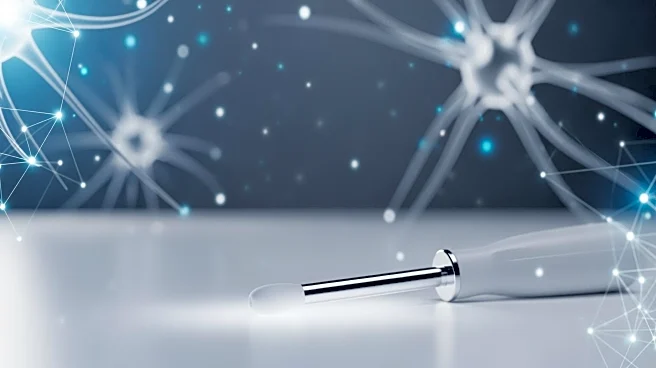
Researchers have developed a nasal swab test that may detect Alzheimer's disease earlier than current methods. The test analyzes smell-detecting nerve cells from a swab placed high inside the nose, identifying patterns that distinguish early onset Alzheimer's from healthy
individuals. This method captures living nerve and immune activity, offering a more direct look at disease-related changes. The study, published in Nature Communications, highlights the potential of this test to identify at-risk individuals before cognitive symptoms appear, providing a new tool for early diagnosis and intervention.
Why It's Important?
Early detection of Alzheimer's is crucial for effective intervention and management of the disease. The nasal swab test could revolutionize how Alzheimer's is diagnosed, allowing for earlier treatment and potentially slowing disease progression. This advancement addresses the limitations of current blood tests, which detect signs after significant brain damage has occurred. By identifying Alzheimer's at an earlier stage, healthcare providers can implement strategies to preserve cognitive function and improve patient outcomes, ultimately reducing the burden of the disease on individuals and the healthcare system.
What's Next?
The research team plans to expand their study to larger groups and explore the swab's ability to monitor treatment responses over time. This could lead to more personalized treatment plans and better management of Alzheimer's disease. As the test undergoes further validation, it may become a standard tool in clinical settings, transforming the approach to Alzheimer's diagnosis and care.