







What's Happening?
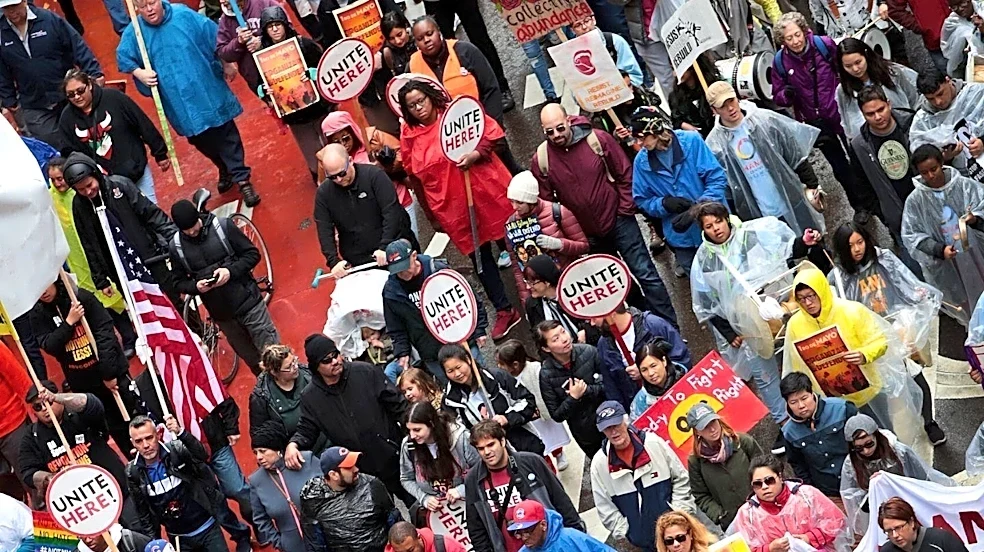
Residents of Emigration Canyon and Salt Lake City are intensifying their opposition to HF Sinclair’s proposed Westline Connect pipeline. At an Emigration Canyon Council meeting, the group Save Our Canyons presented a petition with 1,281 signatures against
the project. Concerns are mounting among those living along the potential pipeline corridor, which company materials indicate could run through Parleys and Emigration canyons, and then along Salt Lake City’s foothills through various neighborhoods before reaching North Salt Lake. While HF Sinclair states no final route has been selected, opponents argue that waiting for a definitive route is not an option and are demanding a clear 'no' from local governments. Salt Lake City Mayor Erin Mendenhall and the City Council have expressed deep concerns, stating the project, as presented, conflicts with the city's responsibility to protect residents, water sources, and the Great Salt Lake from environmental hazards. They have requested more information from HF Sinclair regarding potential impacts on sensitive areas.
Why It's Important?
This organized opposition highlights a growing conflict between industrial development and environmental protection, particularly concerning critical natural resources and urban areas. The proposed pipeline, intended to enhance regional transportation-fuel system resiliency and reduce price volatility, faces significant local resistance due to perceived environmental risks. The stance taken by Salt Lake City officials, emphasizing risks over benefits for its residents, could set a precedent for how similar infrastructure projects are evaluated in other U.S. cities. The involvement of community groups like Save Our Canyons, gathering substantial petition signatures, demonstrates the power of grassroots activism in influencing local policy and corporate decisions. The outcome of this dispute could impact future energy infrastructure planning in the region, potentially leading to more stringent environmental reviews and greater community involvement in project approvals.
What's Next?
The immediate next steps involve HF Sinclair continuing its evaluation of route options, while local communities and advocacy groups are expected to maintain pressure on city and canyon leaders for a definitive stance against the pipeline. The Emigration Canyon Council meeting did not result in a formal vote or position, indicating that further discussions and public engagement are likely. Salt Lake City leaders have requested additional information from HF Sinclair, suggesting that the company will need to provide more comprehensive data on environmental impacts to address the city's concerns. Future public meetings, presentations, and potential legal challenges could arise as both sides continue to advocate for their positions. The increasing organization of opposition suggests that any final route decision by HF Sinclair will likely face continued scrutiny and resistance from affected communities.
Beyond the Headlines
The pipeline controversy extends beyond immediate environmental concerns, touching upon broader themes of community autonomy versus corporate interests and the balance between energy security and ecological preservation. The residents' focus on water quality, wildfire evacuation risks, and construction near homes underscores the vulnerability of urban-wildland interfaces to industrial projects. The perceived pressure from law firms seeking property access for surveys also raises questions about corporate engagement tactics and property rights. This situation reflects a national trend where local communities are increasingly asserting their right to self-determination regarding projects that could significantly alter their environment and way of life. The outcome in Salt Lake City could influence how energy companies approach community relations and environmental impact assessments for future projects across the United States, potentially leading to more collaborative and transparent development processes.