






What's Happening?
Child abuse and neglect investigators in Missouri are once again facing overwhelming caseloads and a return of backlogs, according to reports. Ashley Allen, a former investigator for the Missouri Children’s Division, resigned in April due to a punishing
caseload, which often exceeded 30 open cases compared to the national standard of 15. Data from the Missouri Department of Social Services indicates that by June of this year, workers in 21 of Missouri’s 46 judicial circuits averaged more than 15 open cases, with St. Louis County workers averaging 89 open cases and St. Louis City workers averaging 55. This surge in caseloads is also leading to longer times to close cases, with some investigations in St. Louis County taking an average of 144 days, significantly exceeding the state's 45-day legal requirement.
Why It's Important?
The escalating caseloads and backlogs in Missouri's child abuse investigation system pose a critical threat to the safety and well-being of vulnerable children. When investigators are spread thin, it directly impacts their ability to promptly assess and intervene in potential abuse situations, potentially leaving children in unsafe environments for extended periods. The prolonged investigation times also create uncertainty and stress for families involved, regardless of the outcome. This situation highlights systemic issues within the Children's Division, including staffing shortages, high turnover rates, and the impact of new, more prescriptive policies that workers claim add layers of bureaucracy without increasing resources. The inability to meet legal deadlines for investigations undermines public trust and the effectiveness of child protection services.
What's Next?
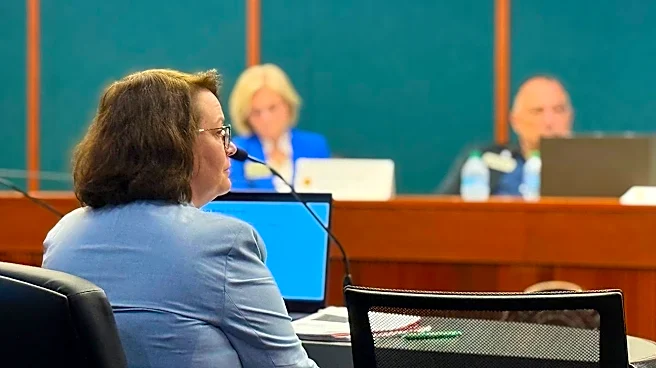
The Missouri Children’s Division is planning a restructuring of its abuse and neglect response team, set to begin on September 1. This reorganization aims to place workers under more centralized state supervision and create specialized career pathways, with the stated goal of retaining workers and creating a more experienced workforce. However, this restructuring does not include additional staff hires, raising concerns among current and former employees about its effectiveness in alleviating caseload burdens. A legislative hearing scheduled for August 26 will address current staff turnover rates, caseloads, and efforts to move children in foster care towards reunification or permanent placements. The outcome of this hearing and the impact of the restructuring will be closely watched to see if they can effectively address the ongoing crisis in child protection services.
Beyond the Headlines
The persistent challenges faced by Missouri's child abuse investigators reflect a broader national issue of underfunded and overburdened child welfare systems. The debate over whether more staff or policy changes are the answer highlights a fundamental tension in child protection: the need for thorough investigation versus the risk of over-intervention. Advocacy groups like the National Coalition for Child Protection Reform suggest that investing in concrete assistance for families, such as poverty alleviation and support for substance use disorders, could reduce the need for child removals and subsequently ease investigator caseloads. This perspective points to the deeper societal factors contributing to child abuse and neglect, suggesting that a holistic approach beyond just increasing investigator numbers may be necessary for long-term solutions.