




What's Happening?
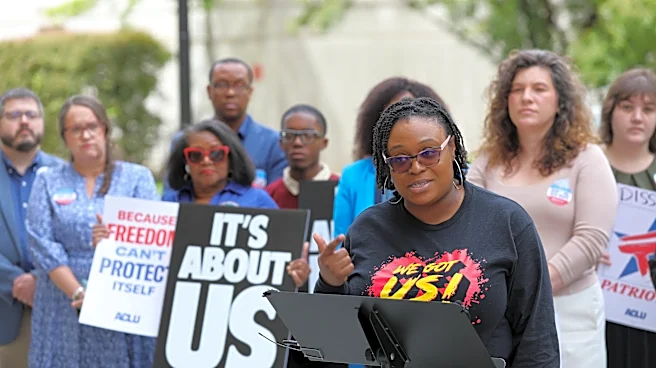
South Carolina Governor Henry McMaster is expected to call a special legislative session to address the state's congressional map, aiming to eliminate its only majority-Black district. This move follows a recent Senate rejection of a redistricting proposal
supported by President Trump and national Republicans. The proposal failed to secure the necessary two-thirds majority, with five Republicans joining Democrats in opposition. Senate Majority Leader Shane Massey, one of the opposing Republicans, expressed concerns about the rapid pace of the effort and potential electoral repercussions. Despite the setback, pressure from Trump-aligned Republicans persists, with McMaster's intervention providing another opportunity to gerrymander the district map.
Why It's Important?
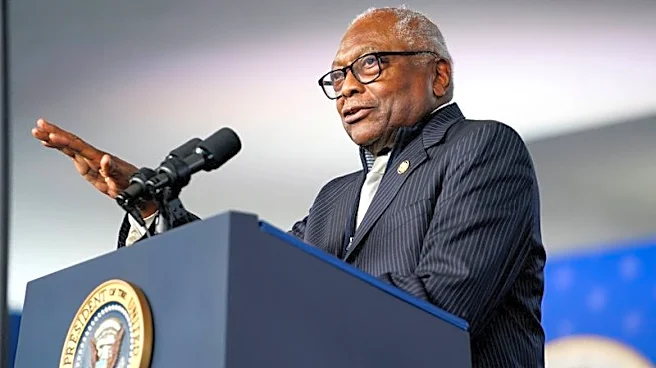
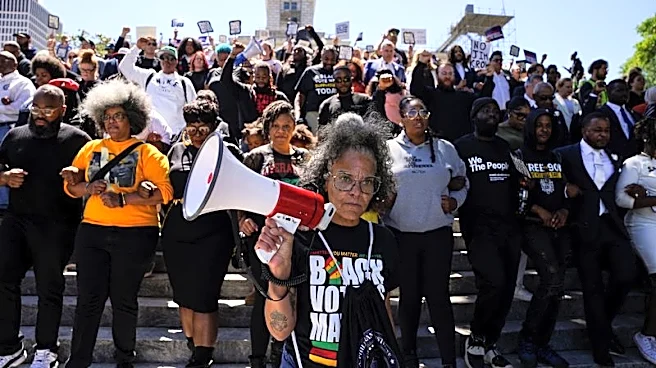
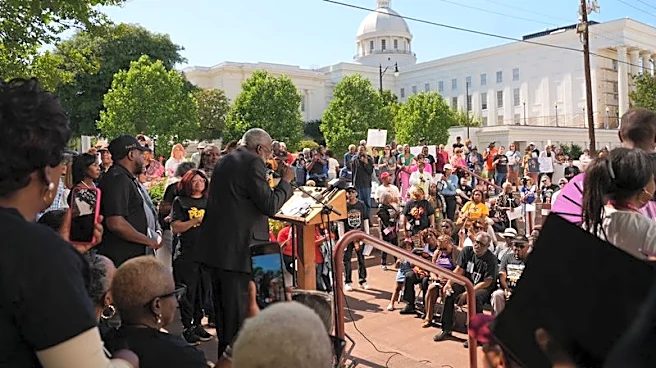
The redistricting effort in South Carolina is part of a larger trend among Republican-led states in the South, following the U.S. Supreme Court's Callais decision, which weakened key protections of the Voting Rights Act. This decision has enabled states to redraw district maps that could dilute Black voting power. The outcome of South Carolina's redistricting could significantly impact the political landscape by potentially reducing Democratic representation and altering the balance of power. The move to dismantle the majority-Black district, currently represented by Democrat Jim Clyburn, highlights ongoing debates over voting rights and racial representation in electoral politics.
What's Next?
If Governor McMaster officially calls the special session, the South Carolina legislature will need only a simple majority to pass a new congressional map. This could lead to a swift redrawing of the district lines, targeting the state's only majority-Black district. The decision will likely face legal challenges and public scrutiny, as it raises questions about racial equity and fair representation. The outcome could set a precedent for similar actions in other states, influencing future redistricting efforts and the broader national conversation on voting rights.