







What's Happening?
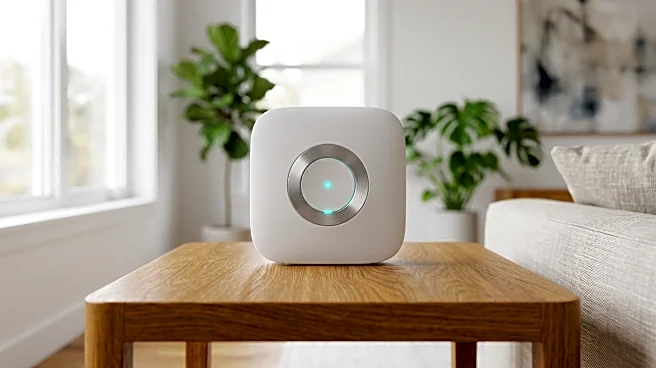
The use of Virtual Private Networks (VPNs) for smart home hubs is gaining attention as a critical measure to enhance privacy and security. Smart hubs consolidate routines, cameras, and sensors, making them central points for data traffic. Implementing
a VPN on the router or the hub itself helps to encrypt this traffic, shielding it from internet service providers and external entities. While some overhead in performance is normal, local traffic within the Local Area Network (LAN) remains unaffected. Key considerations for selecting a VPN for smart home hubs include ensuring local network access, supporting a high number of devices, and offering manageable setup complexity. Users are advised to check if local control functions persist when the VPN tunnel is active, as some hubs might lose app access or cloud features if the VPN blocks local traffic.
Why It's Important?
The increasing adoption of smart home technology in the U.S. raises significant concerns about data privacy and cybersecurity. Smart home hubs collect and transmit sensitive information, from daily routines to camera feeds, making them potential targets for cyber threats. Implementing a VPN provides an essential layer of protection, safeguarding personal data from unauthorized access and surveillance. This is crucial for maintaining consumer trust in smart home ecosystems. For U.S. consumers, a VPN ensures that their smart home data remains private, preventing internet service providers from monitoring their activities and protecting against potential data breaches. For businesses in the smart home sector, promoting VPN compatibility and ease of integration can be a competitive advantage, addressing a growing demand for enhanced security features and fostering greater market adoption.
What's Next?
As smart home technology continues to evolve, the integration of VPN capabilities will likely become a more standard feature or a highly recommended add-on for smart home hubs. Manufacturers may begin to design hubs with built-in VPN client support, simplifying the setup process for consumers. VPN service providers will also likely tailor their offerings to better suit the specific needs of smart home users, focusing on features like local network bypass and high device limits. Educational initiatives will be crucial to inform consumers about the benefits and proper implementation of VPNs for their smart homes. The industry may also see the development of new standards or certifications that ensure VPN compatibility and robust security for smart home devices, further solidifying privacy as a core component of smart home technology.
Beyond the Headlines
The widespread adoption of VPNs for smart home hubs has deeper implications for the future of digital privacy and the concept of a 'private' home. It highlights a growing awareness among consumers about the data they generate and the need to protect it. This trend could lead to a broader societal shift towards prioritizing digital privacy in all connected devices, not just smart homes. Legally, it could spur discussions around data ownership and the rights of individuals to control their personal information generated by IoT devices. Ethically, it reinforces the idea that technology should empower users with control over their data, rather than making them vulnerable. Culturally, it signifies a move towards a more proactive and informed approach to cybersecurity, where individuals take active steps to secure their digital lives, transforming the smart home into a truly private sanctuary.