


What's Happening?
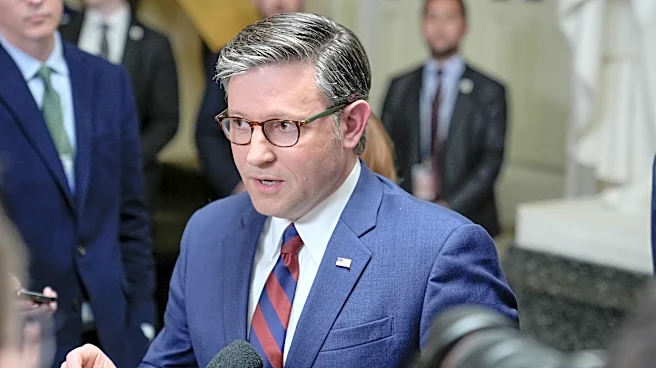
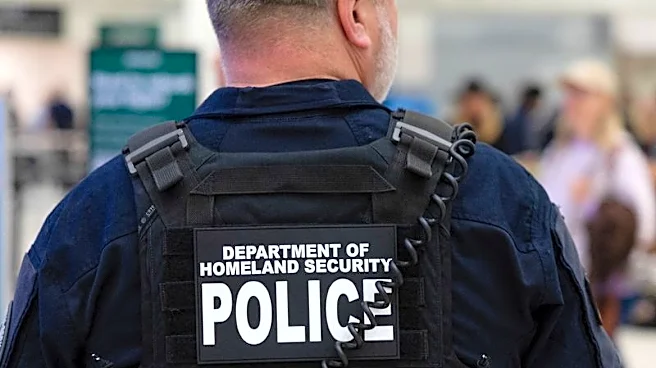
The U.S. House of Representatives has not taken action on a compromise measure to end the partial shutdown of the Department of Homeland Security (DHS). The shutdown began in mid-February due to disagreements over immigration enforcement policies. A Senate-passed
measure aimed to fund most of the DHS, excluding Immigration and Customs Enforcement (ICE) and Customs and Border Protection (CBP). However, House Republicans rejected the Senate bill, opting for a temporary funding measure. Senate Democrats have vowed to block the House's proposal. The situation remains unresolved, with both chambers on recess and no immediate plans to address the funding lapse.
Why It's Important?
The partial shutdown of the DHS has significant implications for national security and federal operations. It affects the functioning of key agencies involved in immigration enforcement and border security. The funding lapse has led to disruptions, including extended security lines at airports. The political deadlock highlights deep divisions within Congress, impacting the ability to pass critical legislation. The ongoing shutdown may also affect public perception of government effectiveness and influence upcoming elections, as parties navigate complex negotiations and stakeholder interests.
What's Next?
The Senate and House are expected to continue negotiations to resolve the funding impasse. The reconciliation process may be used to pass legislation funding ICE and CBP, potentially bypassing the filibuster. The situation remains fluid, with potential changes in strategy and political dynamics as lawmakers seek to address the shutdown. The outcome may have broader implications for immigration policy and government operations.
Beyond the Headlines
The shutdown reflects broader challenges in U.S. governance, including partisan divisions and the complexities of immigration policy. It raises questions about the effectiveness of legislative processes and the ability of Congress to address critical issues. The situation may influence public trust in government and shape future political debates.