


What's Happening?
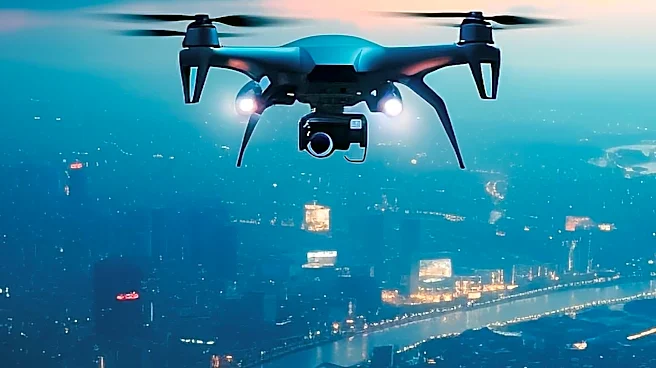
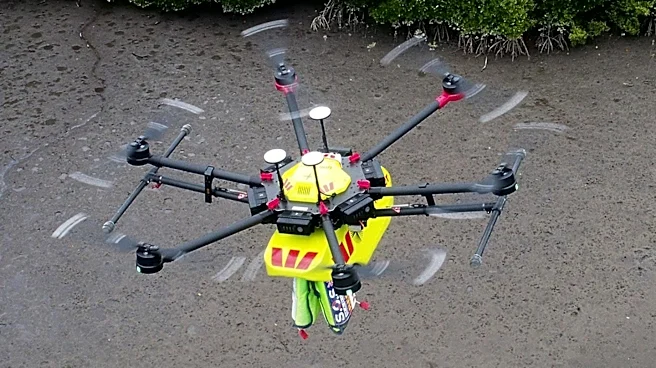
Montgomery County Police Department (MCPD) has implemented a program deploying 911-dispatched drones to respond to emergencies more quickly. These drones are launched from six different locations across the county, strategically placed in 'hot spot' areas
identified by calls for service. The operation is managed from a new Joint Operations Center in Gaithersburg, where drone pilots work alongside other emergency responders. The drones are dispatched only when a 911 call is received, not for proactive surveillance. In one instance in June in Germantown, a drone was used to track suspects throwing rocks at a train on Wisteria Drive, using its spotlight to deter them before officers arrived. Another incident in August involved a drone tracking a stolen car in Silver Spring until ground units could intercept it. Police report flying 700 drone missions in the last month, with capabilities including thermal imaging for nighttime operations.
Why It's Important?
The deployment of 911-dispatched drones by MCPD represents a significant technological advancement in law enforcement, aiming to enhance public safety and operational efficiency. By providing an aerial perspective, drones can reach crime scenes or emergency situations in seconds, offering critical information to officers before they arrive. This can lead to faster apprehension of suspects, improved situational awareness for responding units, and potentially de-escalation of incidents without direct officer confrontation, as seen in the Germantown train incident. The use of thermal imaging further extends their utility, particularly in low-light conditions. This initiative could set a precedent for other police departments nationwide, demonstrating how technology can augment traditional policing methods, potentially reducing response times and improving outcomes in various emergency scenarios.
What's Next?
The Montgomery County Police Department will likely continue to expand and refine its drone program based on ongoing operational data and effectiveness. This could involve increasing the number of drone deployment sites, enhancing drone capabilities with newer technologies, or integrating drone footage more seamlessly into real-time command and control systems. The success of this program may also encourage other law enforcement agencies across the U.S. to explore similar drone-based emergency response strategies. Public discourse around privacy concerns related to drone usage will likely continue, prompting MCPD to maintain transparency regarding their deployment policies and limitations, such as the current restriction to 911-dispatched calls only.
Beyond the Headlines
The integration of drones into 911 emergency response systems raises profound ethical and societal questions beyond immediate operational benefits. While drones offer undeniable advantages in speed and information gathering, their widespread use by law enforcement necessitates careful consideration of privacy rights and potential for surveillance creep. The distinction between 911-dispatched response and proactive surveillance is crucial for maintaining public trust. There's also the question of how drone evidence will be used in legal proceedings and the training required for pilots to operate these devices responsibly and effectively. This technological shift could redefine the nature of policing, moving towards a more data-driven and remotely managed approach, which requires ongoing public dialogue and policy adjustments to ensure accountability and protect civil liberties.