



What's Happening?
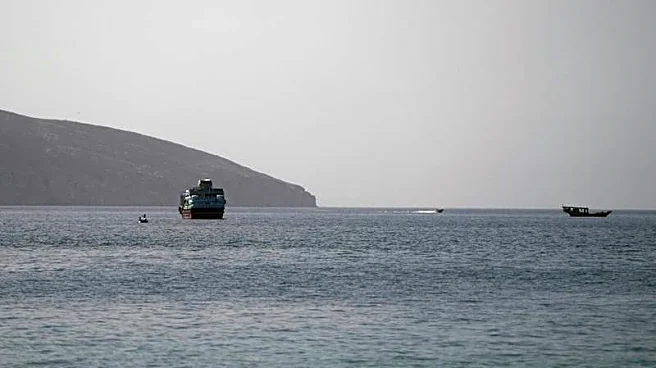
The International Energy Agency (IEA) has reported that despite escalating hostilities affecting the Strait of Hormuz and regional energy infrastructure, alternative supply routes and increased exports from non-Gulf producers have helped maintain crude
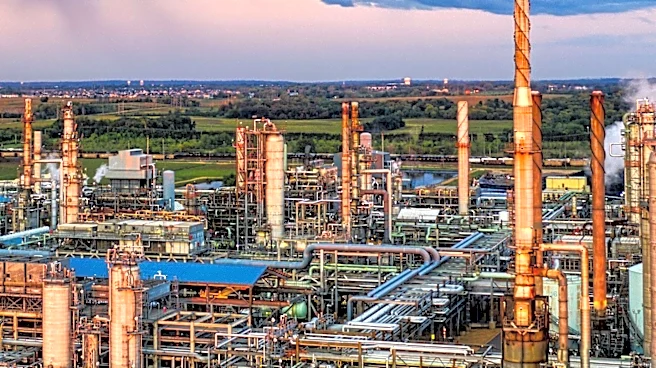
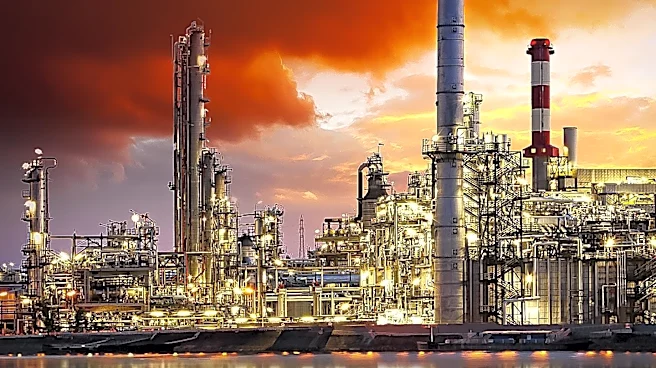
oil market stability. IEA Executive Director Fatih Birol highlighted that while the conflict has heightened market uncertainty, significant exports from Saudi Arabia and the United Arab Emirates, which bypass the Strait of Hormuz, have continued. Additionally, increased crude exports from the United States, Brazil, Venezuela, and Kazakhstan have offset reduced Gulf supplies. The IEA also noted that emergency stock releases by member countries have provided substantial market support, with approximately 290 million barrels of oil released from strategic reserves since March. However, Birol cautioned that risks remain, as refining activity has not kept pace with crude deliveries, leading to tighter diesel and gasoline markets.
Why It's Important?
The IEA's report underscores the critical role of alternative supply routes and strategic reserves in maintaining global energy security amid geopolitical tensions. The ability of non-Gulf producers to increase exports has been pivotal in offsetting disruptions, highlighting the interconnected nature of global energy markets. The situation also emphasizes the importance of strategic reserves in stabilizing markets during crises. For the U.S., increased LNG exports have replaced a significant portion of lost Gulf supplies, demonstrating the country's growing influence in global energy markets. However, the ongoing tensions and potential for prolonged disruptions pose risks to energy security, particularly as Europe seeks to replenish gas storage ahead of winter.
What's Next?
The IEA stresses the necessity of a full reopening of the Strait of Hormuz to restore stability and prevent further deterioration in global energy security. Continued monitoring of the situation is essential, as prolonged disruptions could exacerbate market tightness, particularly in LNG markets. Stakeholders, including governments and energy companies, may need to consider further strategic stock releases or alternative supply arrangements to mitigate potential shortages. The geopolitical landscape will likely influence future energy policies and investments, with a focus on diversifying supply sources and enhancing energy resilience.