



What's Happening?
A recent report from Realtor.com indicates that higher-income renters are experiencing the most relief from cooling shelter costs, as rents for zero- to two-bedroom apartments have declined for 29 consecutive months. The median asking rent in the 50 largest
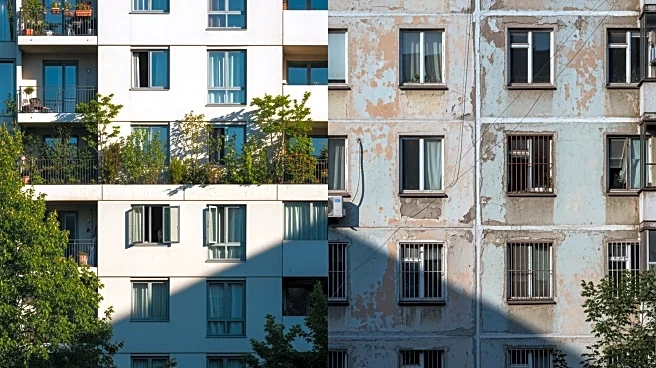
U.S. metros was $1,689 in December, a 0.7% decrease from the previous year. However, the relief is unevenly distributed, with higher-priced rentals seeing more significant declines, while lower-cost rentals continue to face price pressures. This trend is part of a broader pattern of housing inflation receding from pandemic-era highs, but it highlights the ongoing challenges for lower-income renters.
Why It's Important?
The disparity in rent relief underscores the persistent economic inequalities in the U.S. housing market. While higher-income renters benefit from declining costs, lower-income households continue to face financial strain, exacerbating the affordability crisis. This situation reflects broader economic trends, where wealthier individuals are better positioned to weather economic fluctuations. The Federal Reserve's efforts to control inflation may not fully address these disparities, as lower-income renters remain vulnerable to market pressures. The findings could influence housing policy discussions and initiatives aimed at improving affordability for all income levels.
What's Next?
As the Federal Reserve continues its campaign to manage inflation, the housing market will remain a focal point for policymakers. Potential measures could include targeted support for lower-income renters and efforts to increase affordable housing supply. The ongoing economic adjustments may also prompt further analysis of rental market dynamics and their impact on different demographic groups. Stakeholders, including government agencies and housing advocates, will likely explore strategies to ensure more equitable distribution of housing cost relief.