






What's Happening?
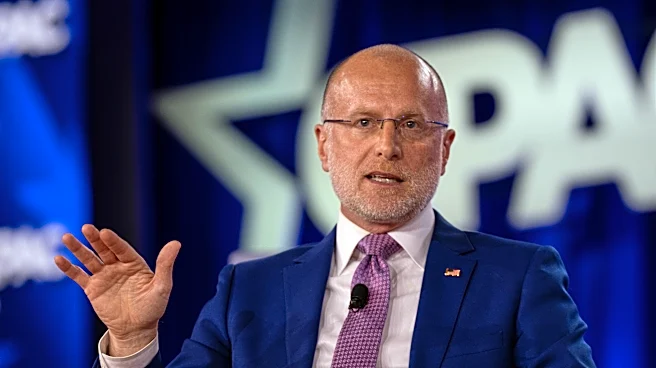
Steve Hilton, a candidate for governor of California, recently discussed his views on agriculture, water, and energy policies during an interview on the AgNet News Hour. Hilton criticized the current state leadership for neglecting the agricultural sector,
which he claims has been 'strangled and throttled' by existing policies. He promised significant changes if elected, emphasizing his commitment to being a strong advocate for farming. Hilton highlighted issues with California's water management, arguing that environmental policies have restricted water deliveries to farmers, adversely affecting rural communities. He also addressed energy costs, attributing high prices to climate regulations and restrictions on oil production. Hilton expressed concerns over the state's push for solar development on farmland, suggesting it prioritizes environmental ideology over agricultural needs. Additionally, he criticized regulatory and labor costs, including PAGA lawsuits and overtime rules, which he believes are burdensome for industries.
Why It's Important?
Hilton's critique of California's policies is significant as it highlights the ongoing debate over balancing environmental goals with economic and agricultural needs. California is a major agricultural state, and policies affecting water and energy have direct implications for its economy and food supply. Hilton's stance suggests a potential shift in policy focus towards reducing regulatory burdens and prioritizing agricultural interests. This could impact farmers, consumers, and environmental groups, as changes in water and energy policies could alter resource allocation and cost structures. The outcome of the gubernatorial race could influence California's approach to managing its natural resources and addressing climate change, with broader implications for state and national policy directions.
What's Next?
If elected, Hilton plans to collaborate closely with the federal government on agriculture, transportation, and water projects, aiming to reduce political conflicts with Washington. His administration would likely focus on reforming regulatory frameworks to lower costs for farmers and consumers. The election will serve as a referendum on current policies, with voters deciding between maintaining the status quo or pursuing Hilton's proposed reforms. Stakeholders, including environmental groups, agricultural associations, and political leaders, will be closely monitoring the election outcome and preparing for potential policy shifts.