
What's Happening?
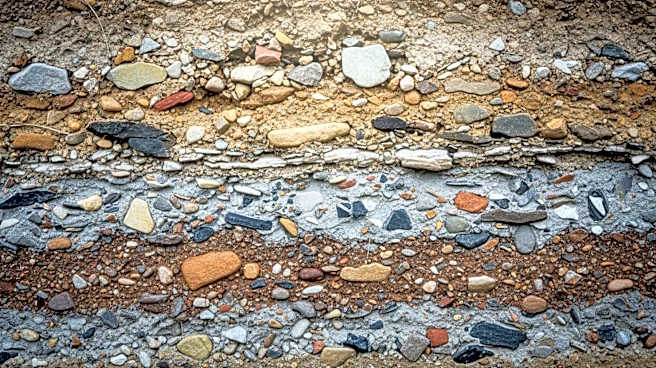
Kristina Douglass, an archaeologist and associate professor at Columbia University, emphasizes the importance of studying ancient trash to understand past human adaptation to climate change. Her research,
particularly in Madagascar, involves analyzing materials left behind by past societies to gain insights into sustainable living practices. Douglass advocates for incorporating indigenous knowledge into modern climate policies, as these communities have historically adapted to environmental changes. Her work aims to bridge the gap between historical practices and contemporary climate challenges, promoting sustainable solutions informed by past human experiences.
Why It's Important?
Douglass' research underscores the value of historical and indigenous knowledge in addressing modern climate challenges. By understanding how past societies adapted to environmental changes, current policymakers and scientists can develop more effective strategies for sustainability. This approach highlights the need for inclusive policy-making that respects and integrates the experiences of indigenous communities, who are often on the front lines of climate change. The research also points to the broader implications of cultural heritage in shaping future environmental policies.
Beyond the Headlines
The focus on trash as a historical record offers a unique perspective on human resilience and adaptation. It challenges conventional narratives that prioritize technological solutions over cultural and historical insights. Douglass' work advocates for a holistic approach to climate change, recognizing the interconnectedness of cultural heritage, environmental stewardship, and sustainable development. This perspective encourages a reevaluation of how societies value and utilize historical knowledge in contemporary decision-making processes.