






What's Happening?
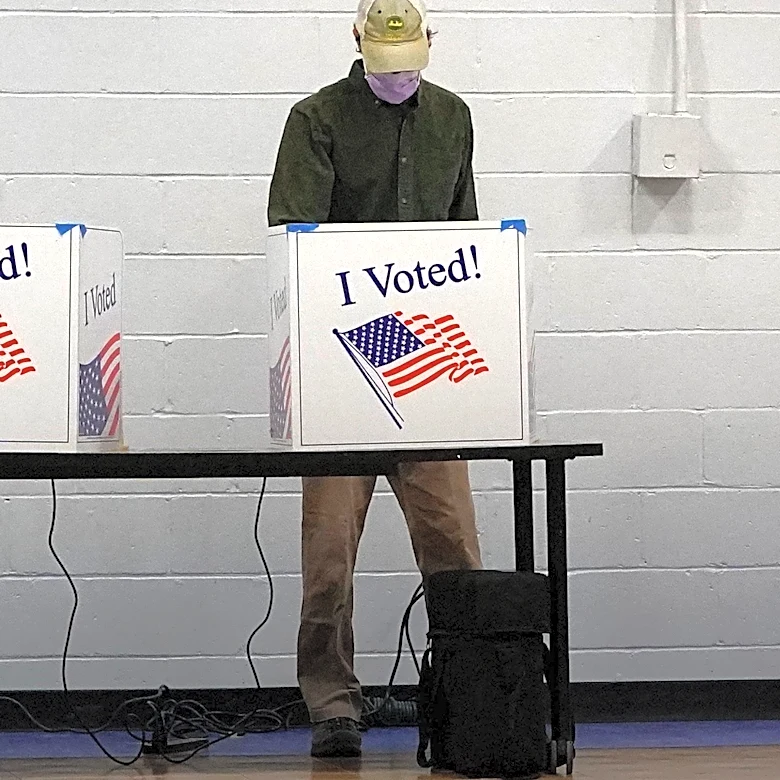
Voters in Mount Pleasant, Michigan, are set to decide on a ballot proposition concerning a permanent utility easement for Consumers Energy. This easement would allow the company to relocate, construct, operate, and maintain low-voltage and high-voltage
electric lines, as well as manage vegetation, across portions of Nelson Park, Riverside Cemetery, and Mill Pond Park. The proposed easement would extend approximately 80 feet into Nelson Park and Riverside Cemetery and 40 feet into the northern part of Mill Pond Park. The City of Mount Pleasant requested Consumers Energy to relocate an existing low-voltage line to facilitate the city’s West Broadway pathway project. In response, Consumers Energy requested these easement and vegetation management rights. If the proposal is rejected by voters, the City of Mount Pleasant indicates that Consumers Energy might pursue other options, including condemnation proceedings. Consumers Energy states that a low-voltage distribution line already exists along this route and plans to use taller poles to reduce the need for separate power lines, affecting 49 landowners, with three-quarters already participating.
Why It's Important?
This vote carries significant implications for both local infrastructure and public land use in Mount Pleasant. Approval of the easement could lead to improved electric system reliability in the area through upgraded infrastructure, according to the city, and would provide funding to offset impacts from tree removal. However, critics express concerns about Consumers Energy managing vegetation and constructing power lines on public park and cemetery land. The situation highlights the tension between utility infrastructure needs and the preservation of public green spaces. Michigan currently ranks 51st among U.S. states and the District of Columbia for energy reliability, experiencing high electricity prices and frequent, prolonged power outages. This project could be a step towards addressing these reliability issues, but it also raises questions about the balance between utility expansion and community land preservation. The potential for condemnation proceedings if the proposal fails underscores the critical nature of this vote for both the utility company and the city.
What's Next?
The immediate next step is the vote on the proposition, which will determine the future of the Consumers Energy easement in Mount Pleasant. If voters approve the proposal, Consumers Energy will proceed with relocating existing electric utility infrastructure, constructing and maintaining new lines, operating facilities, and conducting vegetation management within the designated easement areas. This would also involve the removal of trees and vegetation within the easement. If the proposal is rejected, Consumers Energy has stated it has not made a decision on its next steps but would work with the city. However, the City of Mount Pleasant has indicated that rejection could lead to condemnation proceedings, a legal process where the utility could acquire the land for public use with just compensation. The outcome will influence future infrastructure development and land use policies in the city, potentially setting a precedent for similar situations involving public lands and utility expansion.
Beyond the Headlines
This local ballot initiative in Mount Pleasant reflects broader national challenges concerning infrastructure modernization, energy reliability, and the use of public lands. The debate over Consumers Energy's easement touches upon property rights, environmental stewardship, and the public's role in decision-making regarding essential services. The company's offer of funding for beautification and allowing certain flowering trees and shrubs to remain in easement areas demonstrates an attempt to mitigate community concerns, highlighting the increasing need for utilities to engage with local stakeholders. The potential for condemnation proceedings, while a legal recourse, often sparks public debate about eminent domain and the balance of power between private corporations (even regulated utilities) and local communities. This situation underscores the complex interplay between local governance, corporate interests, and citizen participation in shaping the physical and environmental landscape of American towns.