





What's Happening?
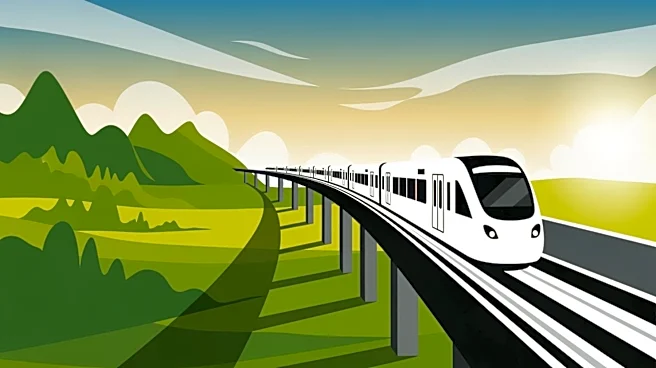
The Colorado Connector, also known as CoCo, is set to become part of the Union Station schedule in 2029 as a key component of the Front Range Passenger Rail project. This initiative aims to enhance transportation options across Colorado, specifically
targeting the Front Range area. The project is designed to improve connectivity between major urban centers and smaller communities, with Boulder County being one of the planned stops. The introduction of CoCo is expected to provide a reliable and efficient alternative to road travel, potentially easing traffic congestion and reducing travel times for commuters and travelers in the region.
Why It's Important?
The inclusion of Boulder County in the Front Range Passenger Rail project is significant for several reasons. Firstly, it represents a major investment in public transportation infrastructure, which could lead to economic growth and increased accessibility for residents. By providing a viable alternative to car travel, the rail system could help reduce traffic congestion and lower carbon emissions, contributing to environmental sustainability efforts. Additionally, the project is likely to stimulate local economies by improving access to jobs, education, and services, thereby enhancing the quality of life for residents. The rail system could also attract new businesses and tourists to the area, further boosting economic development.
What's Next?
As the project progresses towards its 2029 completion date, several steps are anticipated. These include securing funding, finalizing route plans, and beginning construction. Stakeholders such as local governments, transportation agencies, and community groups will likely be involved in the planning and implementation phases. Public consultations and environmental assessments may also be conducted to address any concerns and ensure the project meets community needs. The successful completion of the rail system will depend on effective collaboration between these stakeholders and the ability to overcome potential challenges such as budget constraints and logistical hurdles.