








What's Happening?
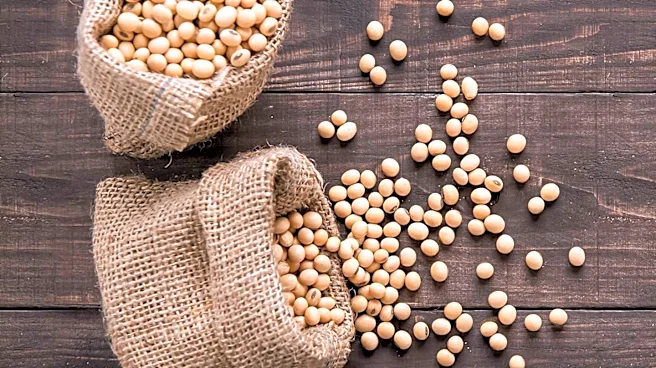
A Creative Inquiry project focusing on soybeans, one of the largest crops in the U.S., has been selected as the Carr Family Endowed Creative Inquiry (CI) project for 2026. This initiative, supported by a donation from Chalmers and Lori Anne Carr of Titan
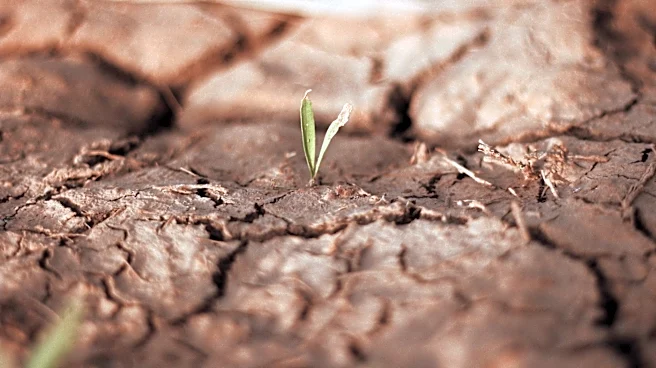
Farms, aims to bolster research in fruit and vegetable crop production, agriculture industries, and rural economic development. Led by Professor Shahid Mukhtar, the project titled 'Dissecting Plant Complexity: From Arabidopsis Mutants to Soybean Drought Mechanisms' provides students with hands-on research experience. The focus is on understanding soybean anatomy and physiology under stress conditions like drought. Students involved in the project will receive training in advanced technical skills such as tissue sectioning, microscopy, and histological analysis to study plant anatomy and the impact of environmental stressors.
Why It's Important?
This project is significant as it enhances educational opportunities in agricultural sciences, providing students with practical experience in addressing real-world challenges. By focusing on soybeans, a critical crop in the U.S. agriculture sector, the project aims to improve understanding of how environmental stress affects crop production. This knowledge is crucial for developing strategies to enhance crop resilience and productivity, which is vital for food security and economic stability in rural areas. The endowment from the Carr Family not only supports educational advancement but also contributes to the broader agricultural community by fostering innovation and research that can lead to more sustainable farming practices.
What's Next?
The project is expected to continue developing over the coming years, with students gaining deeper insights into plant biology and stress responses. The findings from this research could inform future agricultural practices and policies, potentially influencing how crops are managed under changing environmental conditions. As students and researchers publish their findings, there may be increased collaboration with other institutions and stakeholders in the agriculture industry to apply these insights on a larger scale.