






What's Happening?
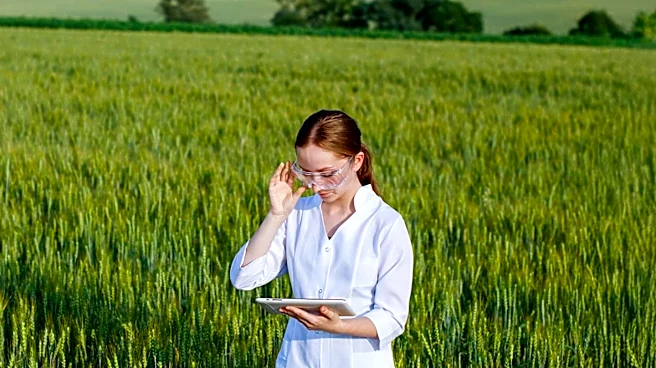
Two Ugandan entrepreneurs have developed Karpolax, a biodegradable sachet designed to significantly extend the shelf life of fresh fruit. This innovation, created by agricultural science students from Makerere University in Kampala, releases natural vapors
from cloves, lemongrass, eucalyptus, and wintergreen. These vapors work by reducing the amount of ethylene gas fruit releases, which is a key trigger for ripening, and by protecting the fruit from mold, fungi, and bacteria. Pilot tests conducted with Uganda’s National Agricultural Research Organisation demonstrated remarkable results, with mangoes remaining fresh for 33 days compared to the usual 11 days. The sachets have also proven effective with bananas, apples, and oranges, with versions for pineapples, peppers, and berries currently under development. Karpolax is designed for use by farmers, transporters, packers, and retailers, requiring only that a sachet be placed in a box of fruit. A significant advantage of this technology is its ability to function without refrigeration, addressing a critical challenge in regions with limited access to cold storage.
Why It's Important?
The Karpolax innovation holds substantial importance for global food security and economic stability, particularly in low-income countries. Post-harvest losses of perishable foods are a major issue, with fruit and vegetables having the highest loss rate globally. In sub-Saharan Africa, these losses can exceed 50% due to inadequate storage and cold chain infrastructure. By extending the shelf life of fruit, Karpolax directly tackles this problem, reducing waste and increasing the availability of nutritious food. This can lead to improved incomes for farmers and traders, who often suffer significant financial losses from spoiled produce. Furthermore, by preventing spoilage, the technology indirectly conserves the land and water resources used to grow the fruit, contributing to environmental sustainability. The fact that it operates without refrigeration makes it a highly scalable and practical solution for regions where energy access is limited, offering a low-cost alternative to synthetic preservatives.
What's Next?
Karpolax, launched in 2020, has already made significant strides, working with over 100 farmers, 20 exporters, and 250 market vendors by 2023. The European Patent Office estimates that over one million tonnes of fruit have been prevented from going to waste due to these sachets during that period. The company plans to continue expanding its reach, particularly in sub-Saharan Africa where the need is most acute. Further development of sachets for other fruits and vegetables, such as pineapples, peppers, and berries, is underway, indicating a broader application of the technology. The recognition of Karpolax founders with the European Patent Office’s Community Healers prize in 2025 highlights the potential for increased investment and partnerships, which could accelerate its adoption globally. The success of Karpolax may also inspire further innovations in sustainable food preservation methods, contributing to a more resilient global food supply chain.
Beyond the Headlines
Beyond the immediate benefits of reducing food waste and increasing farmer incomes, Karpolax represents a significant step towards addressing broader issues of food equity and climate resilience. In regions vulnerable to climate change, ensuring sustained access to nutritious food is paramount, and by extending the shelf life of produce, Karpolax helps achieve this. The innovation also underscores the potential of localized, natural solutions to global problems, offering an alternative to energy-intensive cold storage systems that contribute to carbon emissions. The success of Karpolax could foster a shift in agricultural practices, encouraging more sustainable post-harvest management and reducing reliance on chemical preservatives. This approach aligns with global efforts to build circular economies, where resources are utilized more efficiently and waste is minimized, ultimately contributing to a more sustainable and equitable food system worldwide.