



What's Happening?
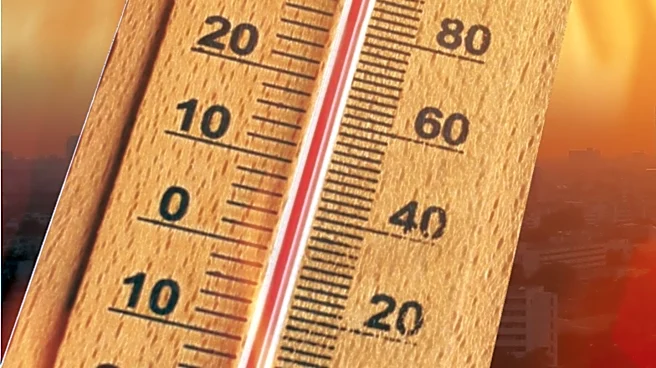
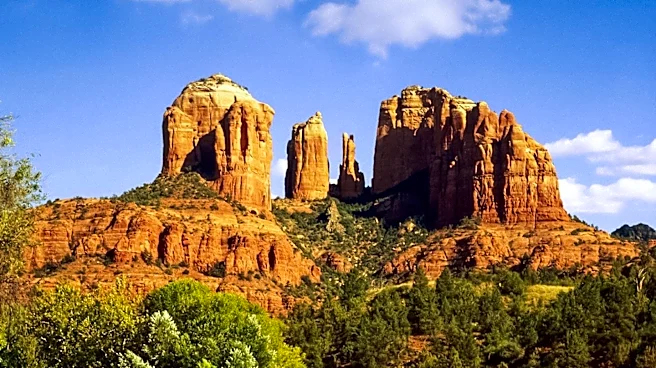
Casa Grande, Arizona, located in the Sonoran Desert, is characterized by a climate with extreme seasonal shifts and intense solar radiation. Summers, from June through September, feature prolonged periods of triple-digit temperatures, peaking in July
with average highs near 107°F (42°C). Winters, from December to February, offer a stark contrast with comfortable daytime temperatures averaging in the mid-60s to low 70s°F, though nights can drop below freezing. Spring (March-May) and Autumn (September-November) serve as transition periods, offering more moderate temperatures but often bringing strong winds and dust storms. Precipitation is scarce, averaging less than 7 inches annually, with most rainfall occurring during the monsoon season from July to September, bringing short, intense thunderstorms. The region's weather is also influenced by large-scale climate patterns like El Niño and La Niña, which can affect winter rainfall.
Why It's Important?
The extreme climate of Casa Grande significantly impacts daily life, infrastructure, and resource management in the region. The intense summer heat necessitates robust air conditioning systems, influencing architectural design and placing considerable strain on energy grids. Water conservation is a critical, year-round priority, shaping landscaping choices and municipal water policies in this arid environment. For residents, understanding these climatic factors is essential for health and safety, particularly during heatwaves. For businesses, especially those in agriculture and tourism, seasonal weather patterns dictate operational strategies and peak activity periods. The reliance on limited water resources also highlights broader challenges faced by many desert communities in the U.S., emphasizing the need for sustainable water management practices and climate adaptation strategies in the face of ongoing environmental changes.
What's Next?
As Casa Grande continues to grow, its residents and urban planners will face ongoing challenges in adapting to the realities of a hot, arid desert climate. This will likely involve continued investment in water conservation technologies and policies, such as xeriscaping and efficient irrigation systems, to ensure long-term sustainability. Infrastructure development will need to prioritize energy-efficient building designs and robust power grids capable of handling peak summer demands. Public health initiatives will also remain crucial, focusing on heat-related illness prevention and awareness. Furthermore, as climate patterns potentially shift due to broader global changes, the city may need to continually reassess its strategies for managing extreme weather events, including flash floods during monsoon season and prolonged drought conditions, to ensure the comfort and safety of its population.
Beyond the Headlines
The climate of Casa Grande serves as a microcosm for the broader challenges faced by urban centers in arid and semi-arid regions across the American Southwest. The interplay between extreme temperatures, scarce water resources, and population growth creates a complex set of environmental and societal pressures. This situation raises ethical questions about sustainable development in water-stressed areas and the long-term viability of current growth models. Culturally, the desert climate shapes local lifestyles, promoting outdoor activities during cooler months and necessitating indoor adaptations during summer. Legally, water rights and allocation become critical issues, often leading to inter-state or inter-community disputes. The ongoing adaptation in places like Casa Grande offers valuable insights into how communities can build resilience against climate extremes, highlighting the importance of integrated planning that considers ecological limits, technological innovation, and community engagement.