




What's Happening?
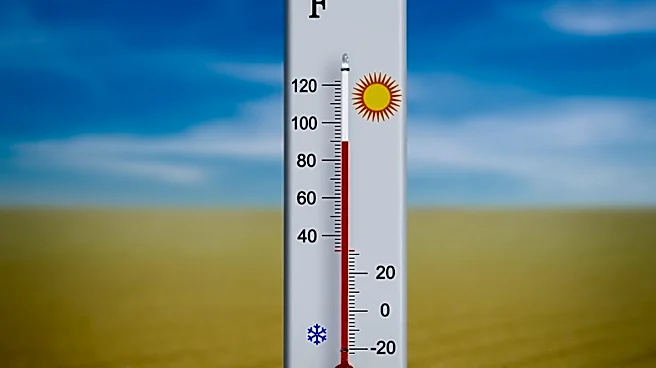
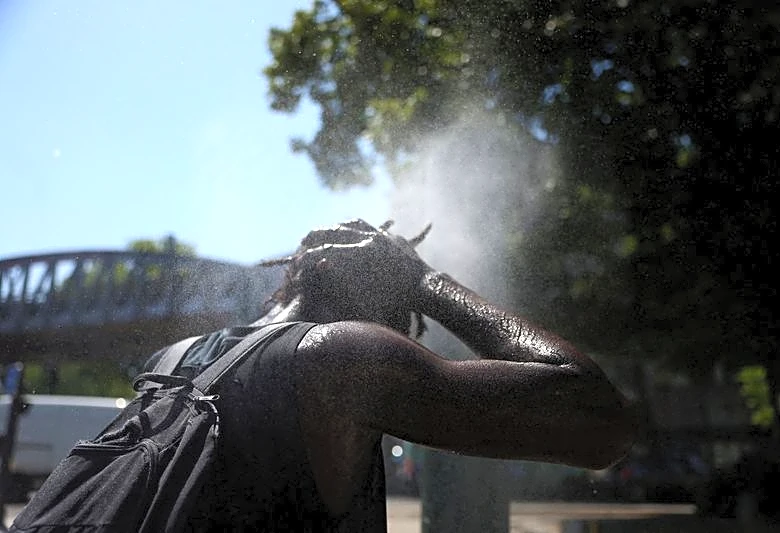
The United States is experiencing a historic heatwave, with temperatures breaking records across the Eastern states. The heat dome has resulted in the hottest Fourth of July on record in Washington, D.C., and has strained power grids in cities like Chicago.
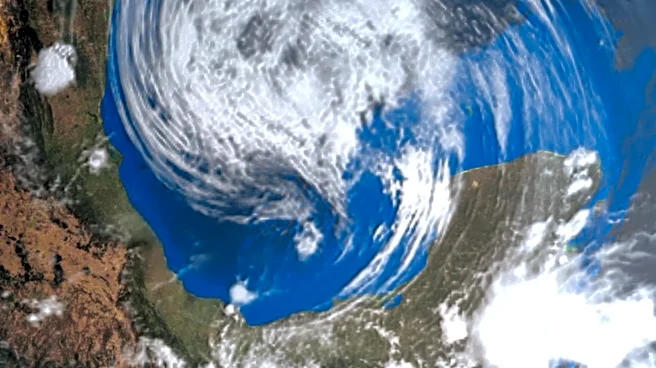
This extreme weather is part of a broader pattern affecting Europe, where heatwaves have caused over 1,300 excess deaths. The warming Arctic and reduced snow cover are contributing to these conditions. The ocean surface temperature has also reached unprecedented levels, exacerbating marine heatwaves and threatening ecosystems. The situation is compounded by a super El Niño weather pattern expected to bring further extreme weather globally.
Why It's Important?
The heatwave underscores the urgent need for action on climate change, as its effects are becoming increasingly severe and widespread. The strain on infrastructure, such as power grids, highlights vulnerabilities in urban planning and energy systems. The economic impact is significant, with potential disruptions to agriculture, increased insurance costs, and challenges to public health. The U.S. government's stance on climate policy, particularly under President Trump's administration, has been criticized for favoring fossil fuels over renewable energy, which may hinder efforts to mitigate climate change.
What's Next?
The ongoing heatwave is likely to prompt discussions on climate policy and the need for sustainable energy solutions. There may be increased advocacy for government action to address climate change and invest in infrastructure resilience. The international community could see heightened cooperation in tackling climate-related challenges, as the effects are felt globally. The U.S. may face pressure to reconsider its energy policies and prioritize environmental sustainability.
Beyond the Headlines
The heatwave raises ethical questions about the responsibility of governments and industries in contributing to climate change. The disparity in climate change impacts between regions with and without air conditioning highlights social inequalities. The cultural perception of climate change in the U.S. may shift as more people experience its direct effects, potentially influencing public opinion and policy.