



What's Happening?
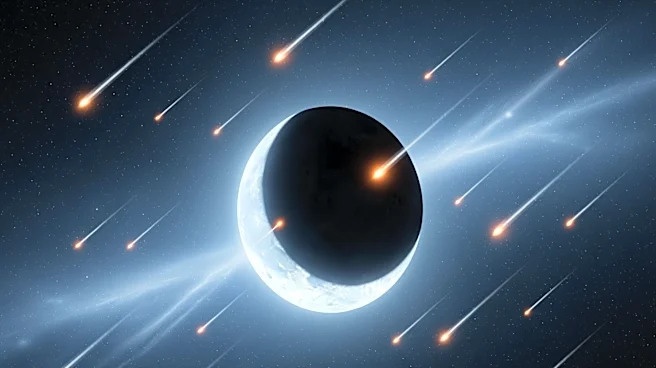
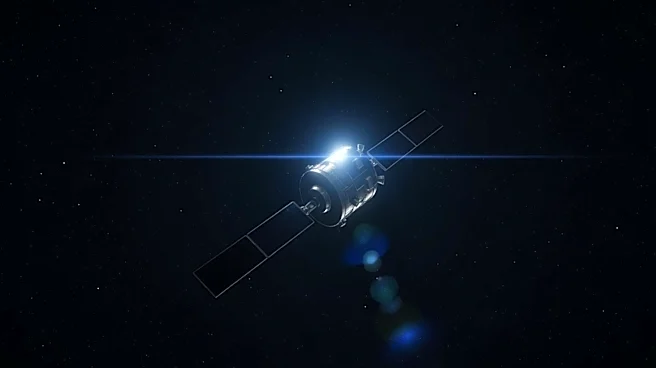
NASA is evaluating the potential risks posed by meteor storms to its future Artemis moon missions. Meteor showers, which are visually stunning events, involve fast-moving space debris that could threaten spacecraft. NASA estimates that about 48.5 tons
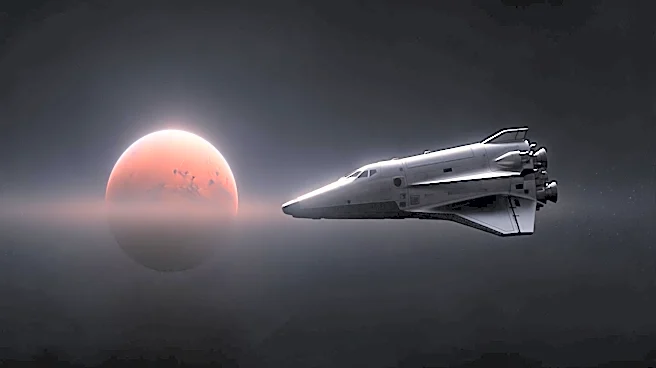
of space debris enter Earth's atmosphere daily, ranging from tiny micrometeoroids to larger particles. These can travel at speeds averaging 22,000 miles per hour, posing a significant risk to spacecraft by potentially penetrating or deforming their hulls. The Orion spacecraft, used for Artemis missions, is designed to mitigate these risks. However, NASA may delay missions if a major meteor storm is forecasted during a mission window, as was the case with the STS-51 space shuttle Discovery mission in 1993.
Why It's Important?
The potential delay of Artemis missions due to meteor storms highlights the challenges of space exploration and the need for meticulous planning to ensure astronaut safety. The Artemis program aims to establish a sustainable human presence on the moon, which is crucial for future deep-space exploration, including missions to Mars. Delays could impact timelines and budgets, affecting NASA's long-term goals and international collaborations. The ability to predict and respond to meteor storms is vital for mission success and the safety of astronauts, underscoring the importance of continued research and development in space safety technologies.
What's Next?
NASA will continue to monitor meteor activity and conduct risk assessments for upcoming Artemis missions. The agency plans to launch Artemis 4, its first crewed mission to the lunar surface since the Apollo era, in early 2028. However, unforeseen meteor activity could delay this timeline. NASA will also implement protocols to protect its orbital telescopes, like the James Webb and Hubble, during meteor showers. The agency's strategies for dealing with micrometeoroid impacts will be tested as it seeks to establish a permanent presence on and around the moon.