





What's Happening?
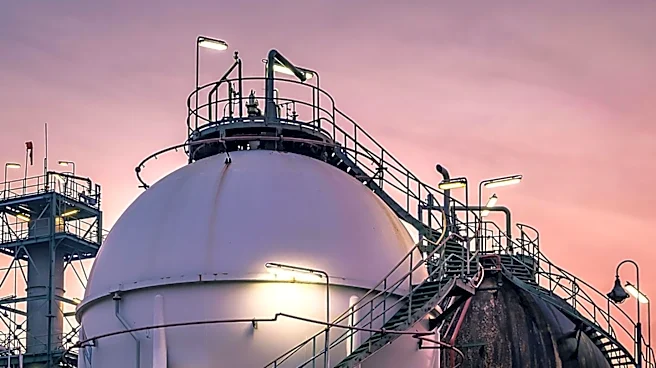
Residents in Livingston Parish, Louisiana, are voicing strong opposition to the construction of a 50-mile carbon dioxide pipeline proposed by CF Industries. The pipeline is designed to transport an estimated 2.3 million tons of CO2 annually from a new
ammonia plant in Modeste to an underground injection site in Holden. Community members, particularly those in Satsuma and French Settlement, have expressed anxiety regarding the pipeline's proximity to their homes and local schools, including French Settlement High School and elementary school. Concerns were highlighted during a tour organized by the environmental justice group Louisiana Bucket Brigade, where residents shared their displeasure with the perceived lack of information from public officials and CF Industries regarding safety plans. The permit for the injection well is currently awaiting approval from the Louisiana Department of Conservation and Energy. CF Industries has not yet responded to requests for comment on the residents' concerns.
Why It's Important?
This situation underscores a growing tension between industrial development, particularly in carbon capture and storage (CCS) projects, and community safety and transparency. The residents' fears are amplified by past incidents, such as the 2020 CO2 pipeline rupture in Sartoria, Mississippi, which led to the hospitalization of 45 people and demonstrated the severe risks associated with such infrastructure, including the potential for colorless, odorless gas leaks to cause oxygen deprivation and hinder emergency response. The lack of adequate emergency services in small communities, as noted by residents, further exacerbates these concerns. The project's progression despite local opposition and the perceived silence from political figures raise questions about the balance between economic development, environmental initiatives, and public welfare. This local dispute reflects a broader national debate on the implementation of CCS technologies and the need for robust safety protocols and transparent communication with affected communities.
What's Next?
The immediate next step involves the Louisiana Department of Conservation and Energy's decision on the permit for the underground CO2 injection well in Holden, which is the pipeline's intended endpoint. Residents are likely to continue their advocacy and opposition efforts, potentially through further community organizing, engagement with environmental justice groups like the Louisiana Bucket Brigade, and direct appeals to state officials. The outcome of the permit approval will significantly influence the future of this specific pipeline project. Furthermore, the situation may prompt increased scrutiny of other carbon storage projects in Louisiana, as the state currently has 23 active applications for such initiatives. The response from CF Industries and state authorities to the community's concerns will be critical in shaping public perception and potentially influencing regulatory frameworks for future industrial projects involving hazardous materials.
Beyond the Headlines
The controversy surrounding CF Industries' CO2 pipeline in Livingston Parish highlights several deeper implications beyond the immediate safety concerns. Ethically, it brings to the forefront the concept of environmental justice, as residents in predominantly rural or less affluent areas often bear a disproportionate burden of industrial infrastructure. The perceived lack of transparency and communication from both the company and public officials can erode public trust in government and corporate entities, potentially leading to long-term community resentment and resistance to future development projects. Legally, the case could set precedents for how carbon capture and storage projects are permitted and regulated, especially concerning community engagement and safety assurances. Culturally, it reflects a broader societal struggle to balance the urgent need for climate change mitigation technologies with the protection of local communities and their environments. This incident could influence how similar projects are approached nationwide, emphasizing the need for comprehensive risk assessments, robust emergency preparedness, and genuine stakeholder involvement.