


What's Happening?
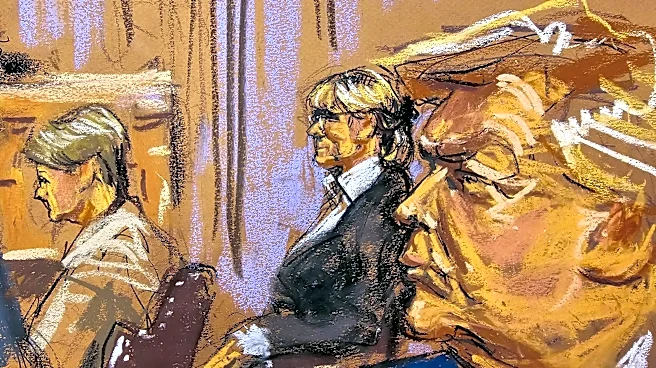
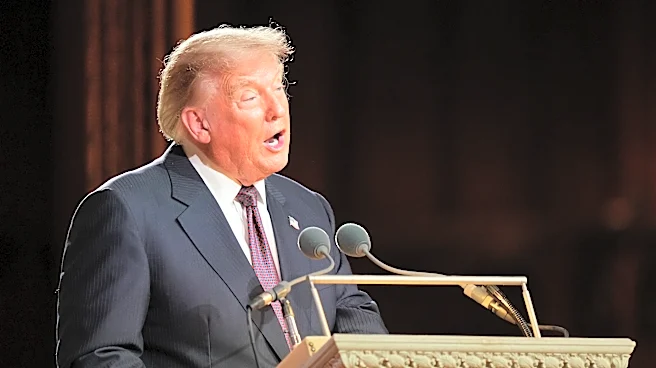
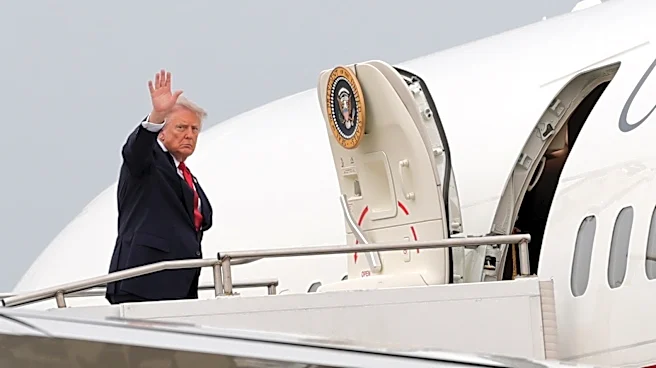
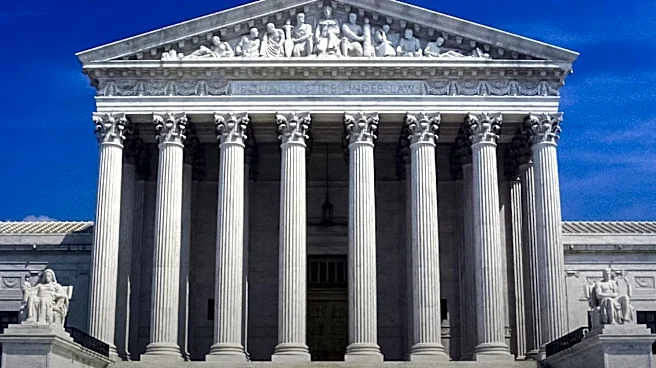
President Donald Trump has petitioned the U.S. Supreme Court to overturn an $83 million judgment awarded to writer E. Jean Carroll, who accused him of defamation. Trump argues that his statements denying Carroll's sexual assault claims were made in his official
capacity as president, thus entitling him to presidential immunity. This appeal follows a previous Supreme Court decision that declined to hear Trump's challenge to a separate verdict related to Carroll's allegations. Trump's legal team contends that the appeals court failed to properly address the issue of presidential immunity.
Why It's Important?
This case raises significant questions about the scope of presidential immunity and the legal responsibilities of public officials. The outcome could set a precedent for how defamation cases involving sitting or former presidents are handled, potentially impacting future legal actions against public figures. It also highlights the ongoing legal battles faced by Trump, which continue to draw public and media attention. The Supreme Court's decision will be closely watched for its implications on executive power and accountability.
What's Next?
The Supreme Court will decide whether to hear Trump's appeal, which could lead to a landmark ruling on presidential immunity. If the court declines, the judgment against Trump will stand, potentially influencing other legal cases involving his conduct while in office. The decision will also affect the broader legal landscape regarding the balance between free speech and defamation claims.