
What's Happening?
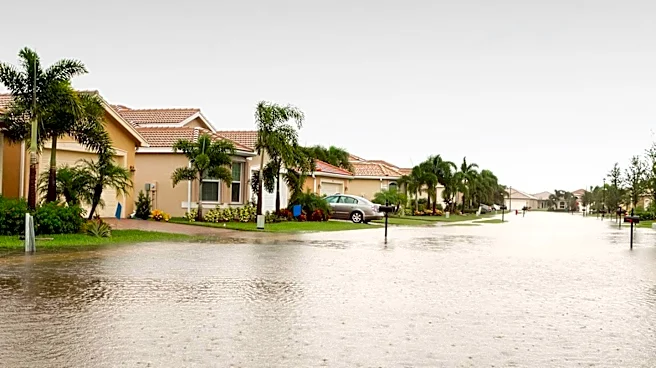
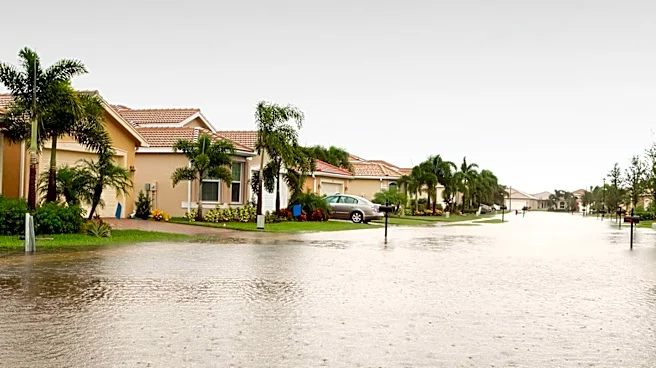
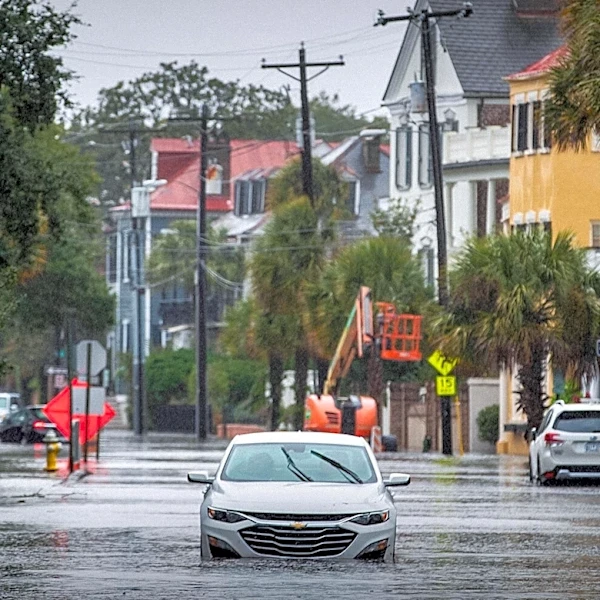
Parts of South Florida, particularly Broward County, including Fort Lauderdale and Hollywood, have been severely impacted by widespread flooding. Over 15 inches of rain have fallen in some areas since Tuesday, with up to a foot in others. This torrential
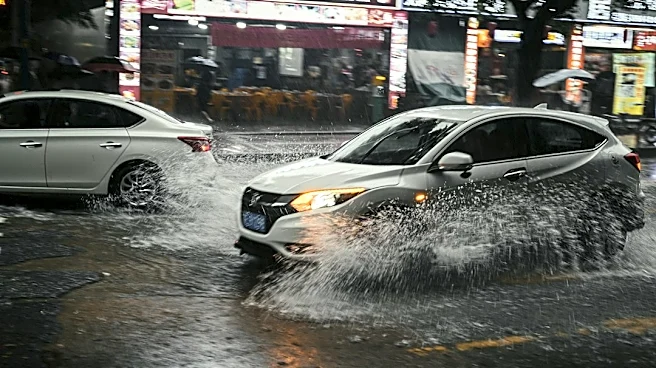
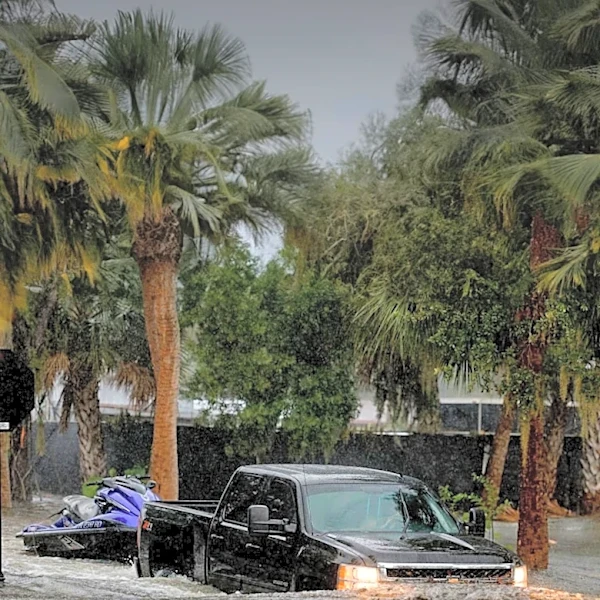
rainfall has led to neighborhoods being completely inundated, with residential properties and numerous vehicles partially submerged. Fort Lauderdale Fire Rescue has been actively assisting residents, navigating knee-high waters to collect debris and aid stranded vehicles. Law enforcement officers from the Florida Fish and Wildlife Conservation Commission rescued over 70 residents and 20-30 pets from a flooded Hollywood apartment complex. Motorists have been forced to abandon their cars due to impassable roads, and multiple school buildings and a medical facility have experienced flooding. Broward County officials declared a countywide state of emergency, and the town of Davie closed all public facilities.
Why It's Important?
The severe flooding in South Florida carries significant implications for residents, local infrastructure, and the regional economy. The closure of schools disrupts education for thousands of students, while the need for evacuations displaces families and creates immediate housing and safety concerns. The damage to residential properties and vehicles represents substantial financial losses for individuals and insurance companies. The disruption to transportation, including flooded interstate ramps and turnpike sections, impedes commerce and daily commutes, impacting local businesses and the workforce. The activation of a countywide state of emergency underscores the severity of the situation, allowing for the deployment of additional resources but also highlighting the strain on emergency services. The long-term recovery efforts will require considerable resources and time, potentially affecting property values and local tax revenues.
What's Next?
As South Florida continues to grapple with the aftermath of the flooding, residents are bracing for potential additional rainfall. Officials will focus on damage assessment, clean-up operations, and providing assistance to affected communities. School districts will need to determine when it is safe to reopen, and local authorities will work to restore full functionality to roads and public facilities. The Florida Fish and Wildlife Conservation Commission and other emergency services will likely continue rescue and recovery efforts. Insurance claims for property and vehicle damage are expected to surge, initiating a lengthy process for residents to rebuild and recover. The state of emergency will remain in effect, allowing for coordinated responses and the potential allocation of state and federal aid to support recovery efforts.
Beyond the Headlines
The recurring nature of severe weather events and associated flooding in coastal regions like South Florida raises deeper questions about urban planning, infrastructure resilience, and climate change adaptation. The extensive inundation highlights vulnerabilities in existing drainage systems and urban development patterns. This event could prompt further discussions and investments in resilient infrastructure, such as improved stormwater management systems, elevated construction standards, and stricter zoning regulations in flood-prone areas. The impact on residents, many of whom have 'lost everything,' underscores the social equity implications of climate-related disasters, as vulnerable populations often bear a disproportionate burden. This incident serves as a stark reminder of the ongoing challenges faced by coastal communities in the U.S. in adapting to a changing climate.