








What's Happening?
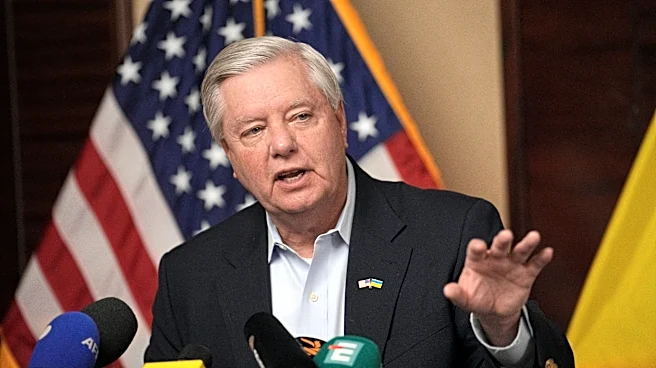
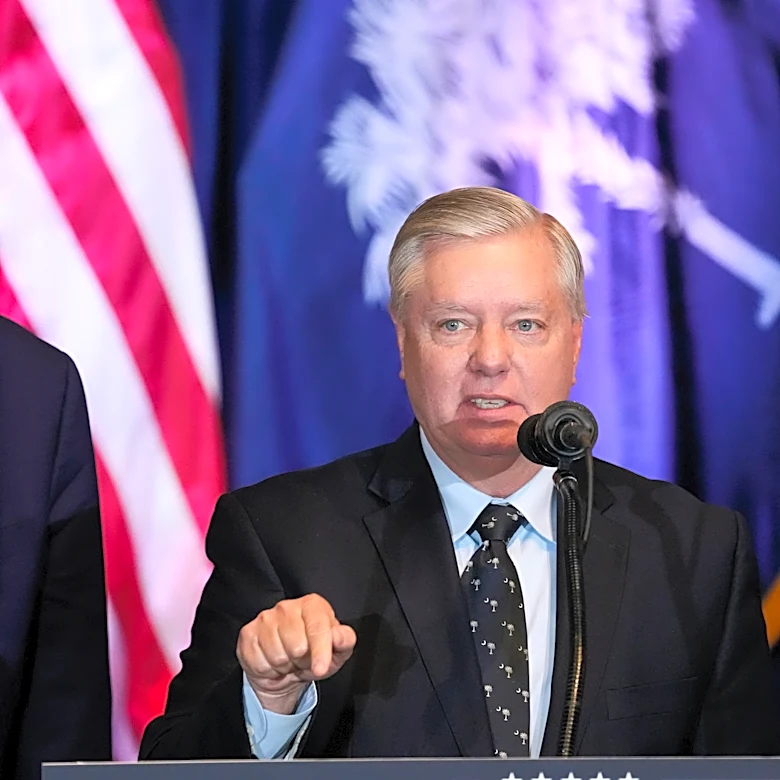
U.S. Senator Lindsey Graham, a prominent Republican and staunch supporter of Israel, has died at the age of 71 following a brief and sudden illness. Graham, who represented South Carolina in the Senate since 2003, was known for his influential role in foreign
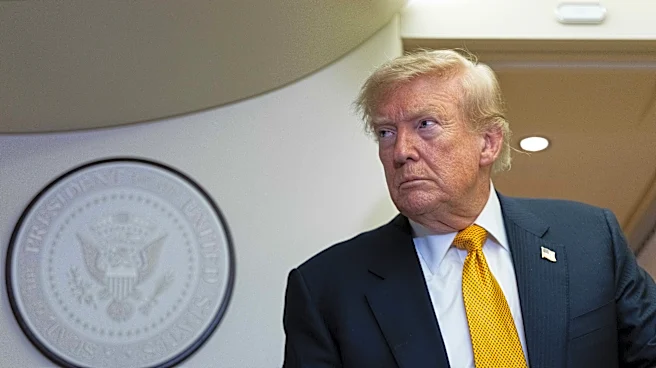
policy, particularly regarding U.S.-Israel relations and national security. His office announced his passing and requested privacy for his family during this difficult time. Graham's career in politics spanned over three decades, beginning with his election to the House of Representatives in 1994. A former military lawyer, he served in the U.S. Air Force and retired as a colonel from the Air Force Reserve. Throughout his tenure, Graham was a vocal advocate for Israel, frequently visiting the country and supporting military assistance without additional conditions. He was also a close ally of President Trump, advising on foreign policy matters and supporting initiatives like the Abraham Accords.
Why It's Important?
Senator Graham's death marks the loss of a significant Republican voice in U.S. foreign policy, particularly concerning the Middle East. His advocacy for Israel and his hawkish stance on Iran have shaped U.S. policy in the region. Graham's influence extended to his support for the Abraham Accords and efforts to normalize relations between Israel and other Middle Eastern countries. His passing may impact ongoing U.S. foreign policy strategies, especially those related to Israel and Iran. As a senior member of key Senate committees, Graham played a crucial role in shaping defense and judiciary policies, and his absence will be felt in these areas. His death also opens up a Senate seat, potentially affecting the balance of power and the Republican Party's strategy moving forward.
What's Next?
With Senator Graham's passing, there will be a need to fill his Senate seat, which could lead to a special election in South Carolina. This process will be closely watched as it may influence the political landscape in the state and potentially at the national level. Additionally, Graham's absence may lead to shifts in U.S. foreign policy, particularly regarding Israel and Iran, as new voices and perspectives emerge in the Senate. The Republican Party will need to navigate these changes while maintaining its stance on key issues that Graham championed. The impact of his death on U.S.-Israel relations and broader Middle Eastern policy will be an area of focus for policymakers and analysts in the coming months.