





What's Happening?
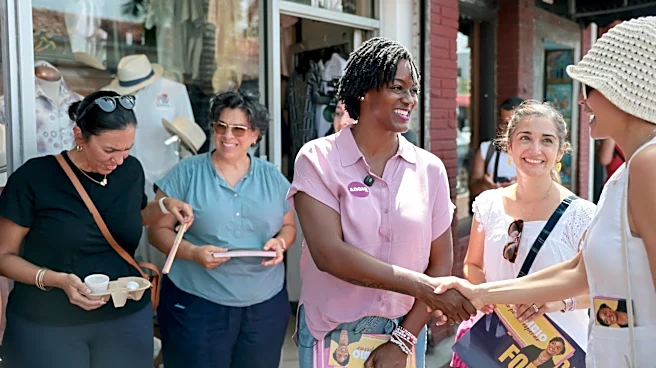
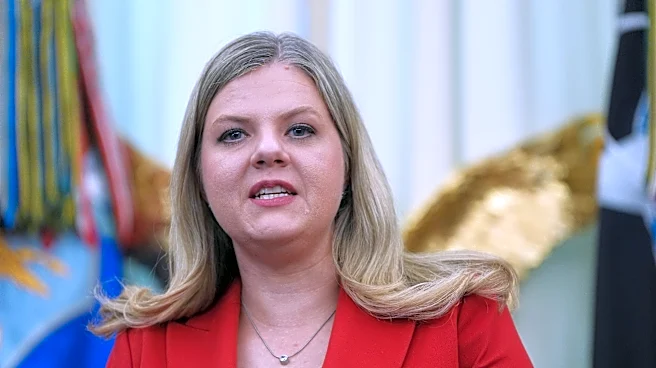
VoteVets, a national organization dedicated to electing veterans, has officially endorsed Callie Barr for Michigan's First Congressional District. Barr, a military spouse, caregiver, teacher, and attorney, secured the Democratic nomination on August 4th
and is set to challenge Republican Representative Jack Bergman in the November 3rd general election. According to VoteVets Senior Advisor Max Rose, Barr's life experience caring for a wounded Marine and advocating for veterans' families makes her a strong candidate. Rose criticized Representative Bergman, stating he 'handed Trump a blank check for a war in Iran' and voted to remove healthcare from rural communities. Barr expressed honor in receiving the endorsement, emphasizing her personal understanding of the sacrifices made by veterans and their families, particularly in Michigan's First District, which has the highest veteran population in the state. She highlighted her commitment to fighting for veterans' post-service care and benefits, contrasting her stance with Bergman's record.
Why It's Important?
This endorsement is significant as it injects a strong veteran advocacy narrative into a key congressional race in Michigan. Michigan's First Congressional District, with its substantial veteran population, makes veteran issues a critical component of the political discourse. VoteVets' support for Callie Barr, a military spouse and advocate, could resonate deeply with this demographic, potentially shifting voter sentiment. The organization's criticism of Representative Bergman's past votes on foreign policy and healthcare frames the election as a choice between differing approaches to supporting military families and veterans. For the Democratic Party, securing this endorsement for Barr could be a strategic move to appeal to a broader electorate, particularly those concerned with veteran welfare and healthcare access. Conversely, Representative Bergman will likely need to defend his record and articulate his commitment to veterans to counter the narrative presented by VoteVets and Barr. The outcome of this race could influence the balance of power in Congress and set a precedent for how veteran issues are addressed in future campaigns.
What's Next?
As the November 3rd general election approaches, the campaign between Callie Barr and Representative Jack Bergman is expected to intensify, with veteran issues likely remaining a central theme. Barr will leverage the VoteVets endorsement to highlight her personal connection to military families and her commitment to their welfare, potentially organizing events and outreach efforts specifically targeting the veteran community in Michigan's First District. Representative Bergman will likely respond by emphasizing his own service and record, possibly showcasing his involvement in local veteran recognition events or legislative efforts. Both campaigns will likely engage in extensive voter outreach, debates, and advertising to sway voters. The endorsement from VoteVets could also encourage other veteran advocacy groups or political action committees to become involved in the race, either in support of Barr or in defense of Bergman. The election results will determine whether the district's representation shifts towards a candidate with a direct background in military family advocacy or remains with the incumbent.
Beyond the Headlines
The endorsement of Callie Barr by VoteVets underscores a broader trend in U.S. politics where personal narratives and direct experiences with military service or family life are increasingly leveraged in political campaigns. This election in Michigan's First Congressional District could serve as a microcosm for how effectively candidates can connect with voters on deeply personal issues like veteran care and military family support. Beyond the immediate electoral implications, the focus on healthcare access for rural communities, as highlighted by VoteVets, points to persistent challenges in providing adequate services to veterans, particularly in less populated areas. The debate over a 'blank check for a war in Iran' also touches upon the ethical and strategic considerations of military interventions and their long-term impact on service members and their families. This race could influence how future political campaigns frame discussions around national security, military spending, and the social contract with those who serve, potentially leading to a more nuanced public discourse on these complex issues.