





What's Happening?
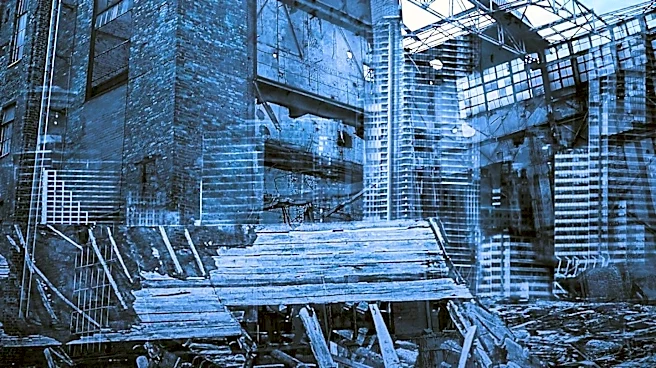
A data center developer has withdrawn its plans to purchase the former Star Tribune printing facility located in Minneapolis' North Loop neighborhood. This decision leaves the future of the property uncertain and has elicited reactions from local residents.
The developer's withdrawal means the site, which was previously slated for a data center, is now available for other potential uses or developments. The specific reasons for the developer's decision to scrap the acquisition plans were not detailed in the report, but the impact on the neighborhood is a key point of discussion among residents. This development marks a significant change for the North Loop area, as the proposed data center project would have brought a particular type of industrial presence to a neighborhood that is also home to residential and commercial spaces.
Why It's Important?
The abandonment of the data center project in Minneapolis' North Loop carries significant implications for urban development, local real estate, and community planning. For the North Loop neighborhood, this decision reopens discussions about the optimal use of a prominent site, potentially allowing for developments that better align with the community's existing character or future aspirations, such as residential, retail, or mixed-use projects. Economically, the withdrawal could mean a loss of potential investment and job creation associated with a data center, but it also creates opportunities for alternative investments that might offer different economic benefits or align more closely with local business interests. The situation highlights the complexities of urban development, where large-scale projects often face scrutiny and require careful consideration of their impact on local residents and the broader urban fabric. It also underscores the dynamic nature of real estate markets and the challenges developers can encounter in securing and proceeding with major acquisitions.
What's Next?
With the data center developer no longer pursuing the acquisition, the former Star Tribune printing facility in Minneapolis' North Loop is now open to new proposals. Local residents and community groups are likely to engage in discussions regarding the preferred future use of the site, advocating for developments that serve the neighborhood's interests. Real estate stakeholders will be evaluating new opportunities for the property, potentially leading to a new round of bids or development plans. The city of Minneapolis will likely play a role in facilitating these discussions and reviewing any new proposals, ensuring they align with zoning regulations and urban planning objectives. The outcome could range from another large-scale commercial project to a mixed-use development that integrates residential and retail spaces, depending on market interest and community input.
Beyond the Headlines
The withdrawal of the data center developer from the Minneapolis North Loop site underscores broader trends in urban planning and community engagement. It highlights the increasing power of local residents and community organizations to influence large-scale development projects, particularly in rapidly gentrifying or redeveloping urban areas. The incident also brings to light the tension between industrial development, such as data centers, and the desire for more community-centric or aesthetically pleasing urban spaces. Ethically, it raises questions about the balance between economic development and preserving neighborhood character. The long-term implications could include a shift in how developers approach projects in sensitive urban environments, potentially leading to more transparent communication and greater community involvement from the outset. This event could serve as a precedent for how similar development proposals are handled in other U.S. cities, emphasizing the importance of aligning projects with local values and needs.