




What's Happening?
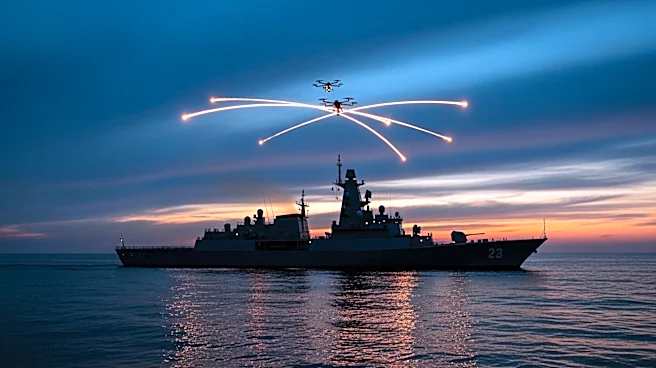
The House Armed Services Committee has introduced a draft of the 2027 defense policy bill, which includes provisions for the U.S. Navy to expedite the deployment of unmanned surface vessels (USVs). The bill mandates the Navy to develop a comprehensive
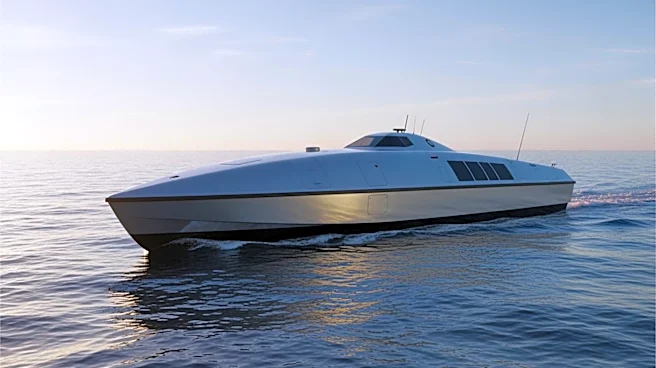
plan for acquiring, sustaining, and operating small USVs, which are less than 50 metric tons and no more than 50 feet long. This plan must detail the inventory of USVs, their mission types, integration with crewed vessels, and their role within existing command and control, intelligence, surveillance, and reconnaissance frameworks. The committee emphasizes the need for commercially available technologies to enhance fleet readiness and reduce costs. Additionally, the bill requires the Navy to ensure that these drone boats can operate autonomously in environments where communication and navigation capabilities are compromised.
Why It's Important?
The push for faster deployment of drone boats is significant as it reflects the growing demand for advanced maritime capabilities in response to global security challenges. By integrating commercially available USVs, the Navy can potentially reduce developmental timelines and costs, thereby enhancing operational readiness. This move is crucial for maintaining a strategic advantage in maritime operations, especially given the increasing geopolitical tensions and the need for rapid response capabilities. The initiative also aligns with the Pentagon's broader strategy to incorporate unmanned systems into military operations, which could lead to a transformation in naval warfare tactics and logistics.
What's Next?
The Navy is expected to submit a detailed report identifying obstacles to acquiring commercially available USVs and to develop a strategy for integrating these vessels into naval operations. The Secretary of the Navy is tasked with providing a briefing to the House Committee on Armed Services by March 1, 2027, outlining plans for the adoption and fielding of extra-large unmanned underwater vehicles (XLUUVs). This strategy will likely involve collaboration with industry partners to leverage existing production contracts and accelerate the deployment of these systems. The outcome of these efforts will be closely monitored by Congress, which will assess the Navy's progress in meeting the outlined objectives.