




What's Happening?
The Justice Department, under the Trump administration, is preparing to file lawsuits against several states with gun laws similar to a recently overturned Hawaii statute. Acting Attorney General Todd Blanche announced the department's intention to challenge
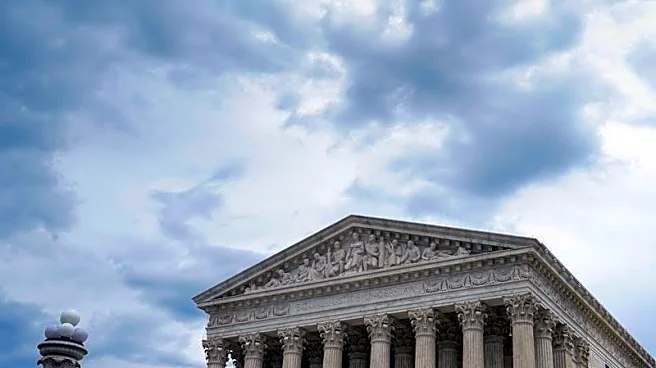
these laws, which the Supreme Court deemed unconstitutional. The Hawaii law, which restricted firearm possession on private property without explicit owner consent, was struck down by a 6-3 Supreme Court decision. The Justice Department is targeting states like New Jersey, Maryland, New York, and California, which have similar regulations. Additionally, the department has initiated legal actions against Virginia's assault weapons ban and California's restrictions on semiautomatic pistols.
Why It's Important?
This development underscores the Trump administration's commitment to challenging state-level firearm regulations, potentially reshaping gun control laws across the U.S. The lawsuits could lead to significant changes in how states regulate firearms, impacting public safety and Second Amendment rights. States with similar laws may face legal battles, influencing their legislative approaches to gun control. The outcome of these cases could set precedents affecting future state and federal gun legislation, with implications for both gun rights advocates and those pushing for stricter gun control measures.
What's Next?
The legal challenges initiated by the Justice Department are likely to proceed through the courts, with potential appeals reaching the Supreme Court. States targeted by these lawsuits may need to defend their laws or consider legislative revisions. The broader legal landscape for gun control in the U.S. could shift depending on the outcomes, influencing future policy decisions. Stakeholders, including state governments, gun rights organizations, and advocacy groups, will closely monitor these developments, potentially leading to increased lobbying and public debate on gun control issues.