

What's Happening?
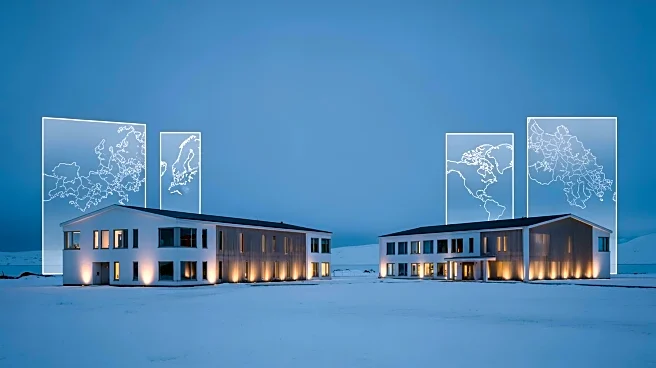
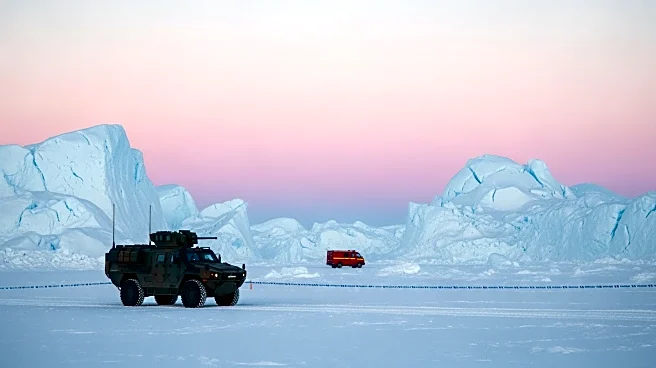
Troops from Denmark and several European countries, including France, Germany, the UK, Norway, Sweden, and the Netherlands, have arrived in Greenland. This deployment is a response to escalating tensions between Copenhagen and Washington regarding the future
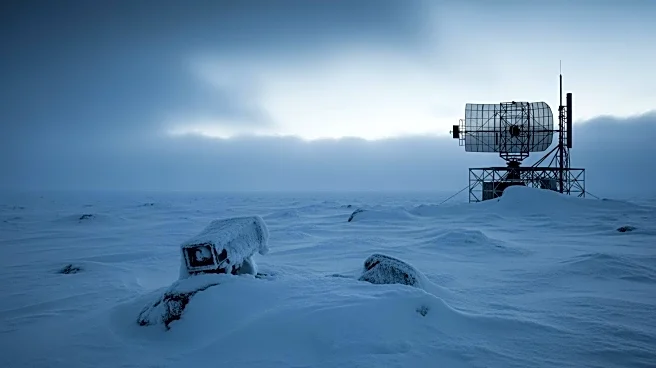
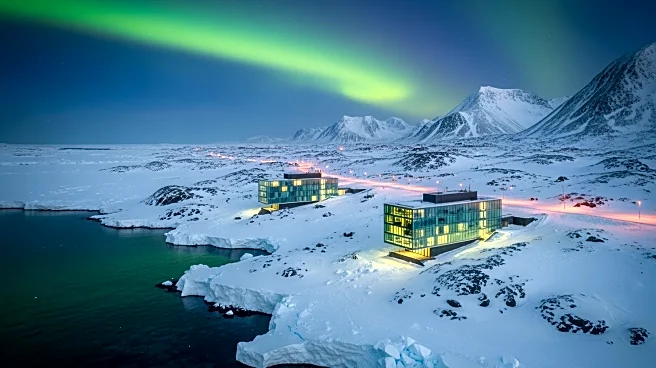
of the Arctic island. Denmark has increased its military presence in Greenland for security reasons following President Trump's repeated assertions that the US should take control of the island. The European countries' military presence is intended to establish a more permanent presence, with Denmark contributing significantly. This move comes after a disagreement between Denmark, Greenland, and the US, following a meeting with US officials. The US has expressed interest in Greenland to prevent potential Russian or Chinese influence, while European nations emphasize a united NATO front to safeguard the Arctic.
Why It's Important?
The deployment of European troops in Greenland highlights the geopolitical significance of the Arctic region. The US's interest in Greenland, driven by strategic concerns over Russian and Chinese influence, underscores the island's importance in global security dynamics. The European response, emphasizing NATO unity, reflects broader concerns about maintaining stability in the Arctic. This situation could impact US-European relations, particularly within NATO, as it tests alliances and strategic priorities. The presence of European troops also signals a commitment to counterbalance US ambitions, potentially affecting future diplomatic negotiations and military strategies in the region.
What's Next?
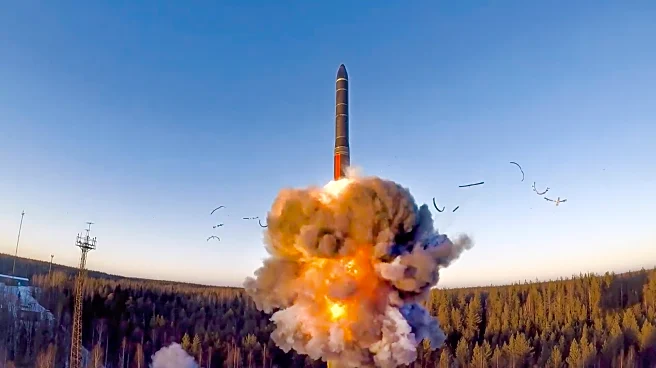
Denmark and Greenland's foreign ministers are scheduled to meet with White House representatives in Washington to continue discussions about the island's future. The outcome of these talks could influence the geopolitical landscape of the Arctic. If the US persists in its interest in Greenland, it may lead to further diplomatic tensions or negotiations involving NATO allies. The situation also invites potential reactions from Russia, which has mocked the current tensions as a NATO response to self-generated threats. The ongoing discussions and military presence could shape future policies and alliances concerning Arctic security.