



What's Happening?
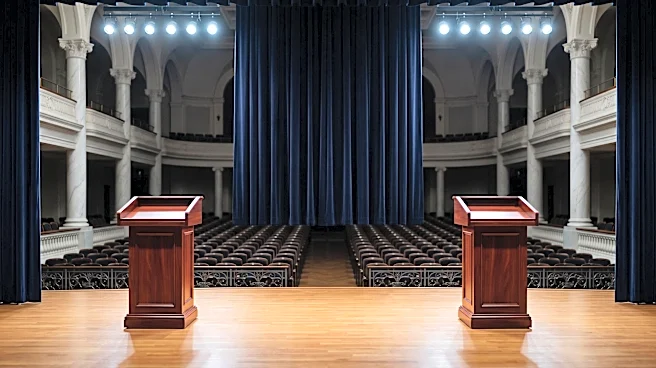
Rep. Ben Cline, the incumbent Republican in Virginia's 6th Congressional District, is facing criticism regarding his proposed debate schedule with Democratic challenger Beth Macy. According to The Daily Signal, Cline announced debate dates last week,
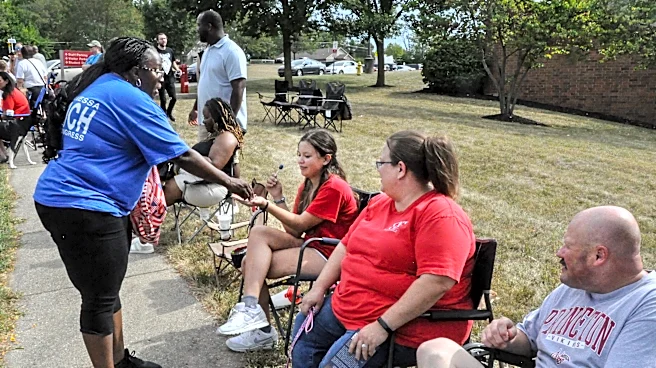
but Macy's team stated that she had not agreed to those dates. Macy has challenged Cline to three exchanges, but Cline's proposed dates were not accepted by Macy's campaign. Macy's team indicated they are unavailable for the first proposed date and will not attend. They are, however, planning to participate in a candidate forum in early October and are coordinating several town halls across the district. The criticism centers on allegations that Cline is avoiding true public debates, instead offering events with closed, friendly audiences.
Why It's Important?
This situation is important for voters in Virginia's 6th Congressional District as it impacts their ability to observe direct exchanges between the candidates on key issues. Debates are a traditional and often crucial component of democratic elections, allowing constituents to compare candidates' stances, policies, and communication styles side-by-side. If one candidate is perceived as avoiding genuine debates, it could influence voter perception of their transparency and willingness to engage with challenging questions. For Rep. Cline, the criticism could affect his public image and potentially energize his opponent's base. For Beth Macy, the perceived reluctance of Cline to debate could be used as a campaign point to highlight a contrast in their approaches to public engagement. The outcome of this debate scheduling dispute could therefore play a role in shaping voter sentiment and ultimately the election results in this congressional district.
What's Next?
The immediate next steps involve the candidates' campaigns attempting to finalize a mutually agreeable schedule for public engagements. Beth Macy's team has indicated their intention to attend a candidate forum in early October and to organize several town halls throughout the district. This suggests that while direct debates may be contentious to arrange, voters will still have opportunities to hear from Macy. Rep. Cline's campaign will likely need to address the criticism regarding debate avoidance, potentially by clarifying his stance on debates or proposing alternative formats that satisfy both campaigns and the public. The ongoing negotiations and public statements from both sides will continue to shape the narrative around candidate accessibility and transparency leading up to the election.
Beyond the Headlines
Beyond the immediate political maneuvering, this situation highlights a broader trend in modern political campaigns regarding candidate accessibility and the format of public discourse. The preference for controlled environments over open debates can reflect a strategic decision to minimize unscripted moments and potential gaffes, but it also raises questions about the health of democratic engagement. When candidates are perceived as avoiding direct challenges, it can erode public trust in the political process and limit the depth of public understanding of complex issues. This dynamic can contribute to a more polarized political landscape where candidates speak primarily to their base rather than engaging in broader public dialogue. The long-term implication could be a decline in the perceived value and effectiveness of traditional political debates as a mechanism for informing the electorate.