


What's Happening?
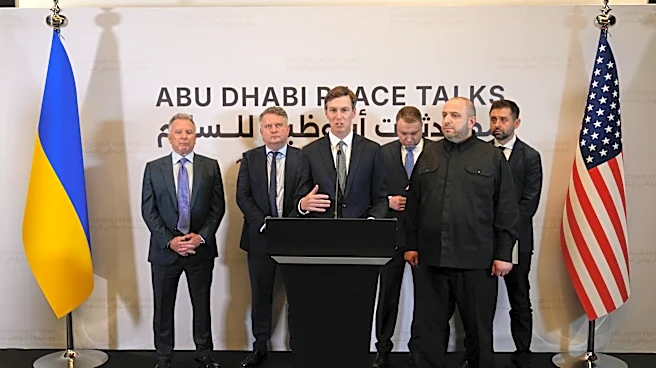
Ukraine and Russia have reached an agreement for a significant prisoner-of-war exchange, involving between 1,200 and 1,300 captives from each side. This breakthrough follows U.S.-mediated talks held in Abu Dhabi and Moscow. Ukrainian President Volodymyr
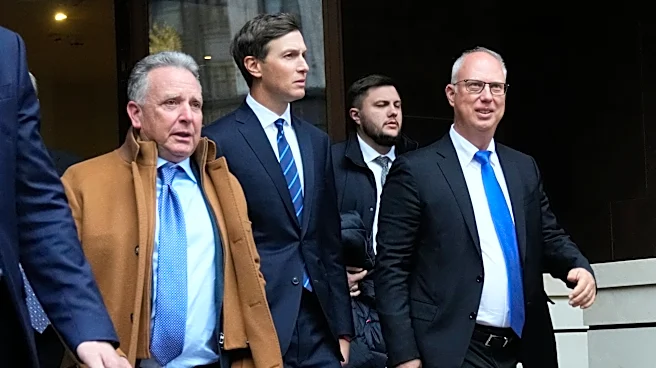
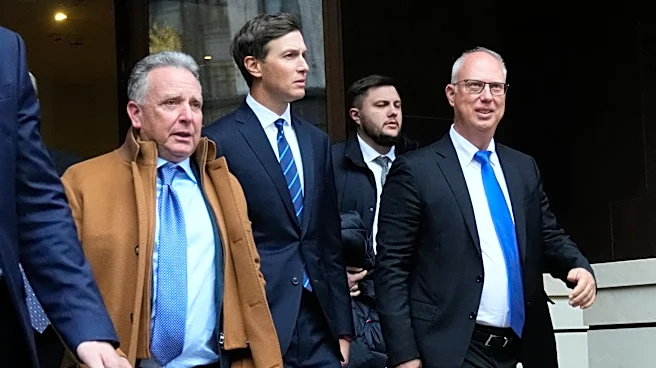
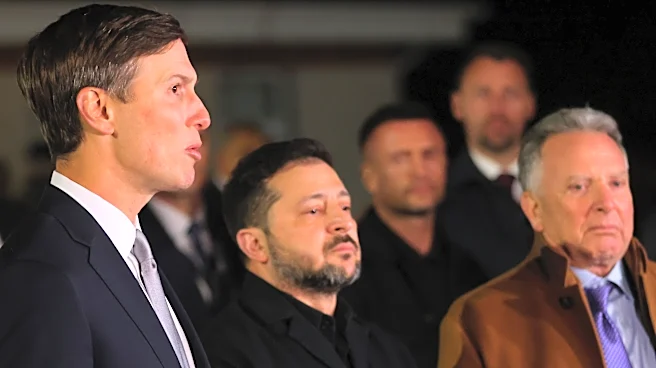
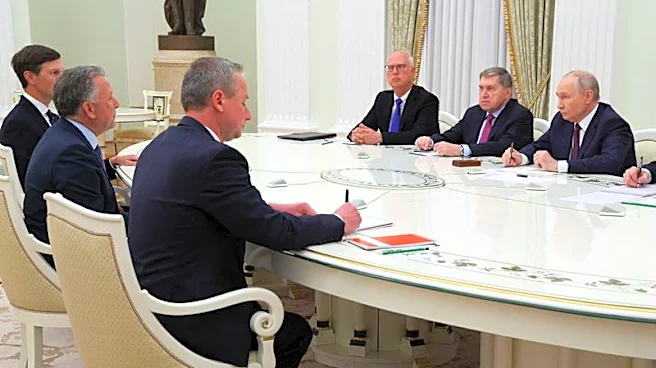
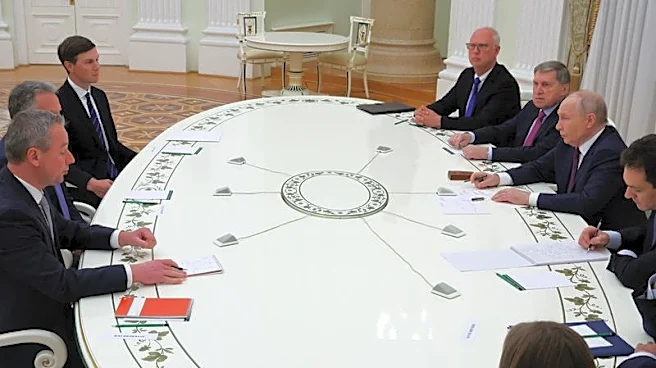
Zelensky announced the agreement, noting that while Ukraine initially proposed an 'all-for-all' exchange, subsequent consultations between Russian President Vladimir Putin and U.S. special envoys Steve Witkoff and Jared Kushner secured a commitment for a swap of over 1,000 personnel per side. Additionally, all parties have consented to include European representatives directly at the negotiating table for the next round of talks, a key demand from Kyiv and European governments.
Why It's Important?
This agreement for a large-scale prisoner exchange is a crucial humanitarian development, offering hope for thousands of families impacted by the conflict. It signifies a rare instance of concrete progress in U.S.-mediated diplomatic efforts between Ukraine and Russia. The inclusion of European representatives directly in future peace talks is also highly significant. It addresses a major point of contention, as European governments and Kyiv insisted that no settlement affecting continental security could be negotiated without their direct participation. This move could lead to more comprehensive and legitimate peace discussions, potentially paving the way for broader de-escalation and a more stable security architecture in Europe.
What's Next?
Negotiators are currently finalizing the exact number of prisoners for the exchange, which is expected to be either 1,200 or 1,300 from each side. European allies are expected to finalize their delegation for the next round of talks by the end of November, with potential configurations including top leaders from the EU and NATO, or national security advisors from the E4 grouping (Britain, France, Germany, and Italy). President Zelensky has cautioned against prioritizing discussions on a new post-war global and European security architecture ahead of ending active hostilities, insisting on a strict sequence: ceasefire, end of the war, and binding security guarantees for Kyiv before addressing wider continental frameworks.
Beyond the Headlines
The agreement on a major prisoner exchange, while a positive step, underscores the immense human cost of the conflict. The inclusion of Europe in direct negotiations, after initial resistance from Russia, highlights the evolving dynamics of international diplomacy and the recognition that a lasting peace requires broad stakeholder involvement. However, Zelensky's warning against Moscow's potential to use broader security discussions to its advantage reveals the deep-seated mistrust and the complex geopolitical maneuvering at play. The challenge remains to ensure that humanitarian gestures translate into meaningful progress towards a comprehensive and equitable peace, without compromising Ukraine's sovereignty or setting precedents that could destabilize regional security in the long term.