
What's Happening?
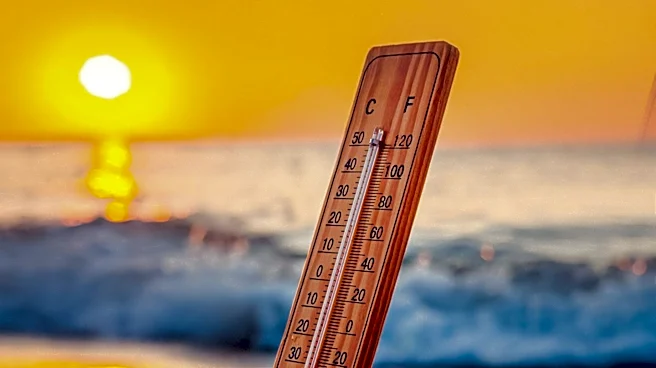
Global sea-surface temperatures have reached record highs for 50 consecutive days, driven by a rapidly strengthening El Niño and long-term climate change. The average sea-surface temperatures have remained
above previous records, with the Niño 3.4 region in the central Pacific experiencing unprecedented warming. This trend is expected to continue, with 2026 likely to become the second-warmest year on record globally. The warming oceans are contributing to more intense tropical cyclones, increased atmospheric moisture, and extreme weather events worldwide.
Why It's Important?
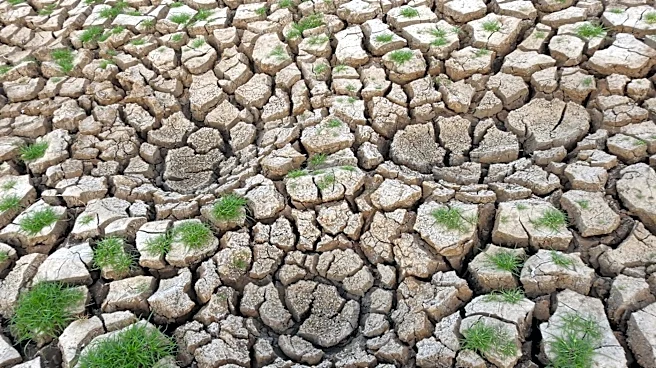
The record ocean temperatures and strengthening El Niño have significant implications for global climate patterns. The warming oceans act as a reservoir for excess heat, influencing weather systems and contributing to extreme weather events such as floods, droughts, and heatwaves. These changes pose challenges for agriculture, infrastructure, and public health, as communities must adapt to more frequent and severe weather events. The situation highlights the urgent need for climate action to mitigate the impacts of global warming and build resilience against climate-related risks.
What's Next?
As El Niño continues to develop, scientists will monitor its impacts on global weather patterns and the potential for further record-breaking temperatures. Policymakers and communities will need to prepare for the associated risks, including potential disruptions to agriculture, water resources, and infrastructure. The ongoing climate variability underscores the importance of international cooperation and investment in climate adaptation and mitigation strategies to address the challenges posed by a warming planet.