









What's Happening?
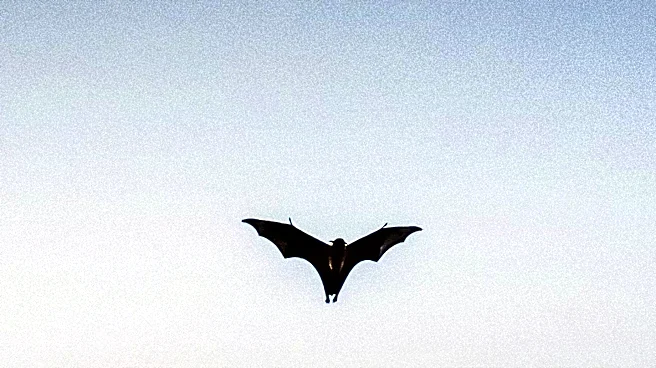
An 11-year-old boy in Ontario, Canada, has died from rabies after an encounter with a bat. The incident occurred while the boy was staying at a cottage in northern Ontario in 2024. He awoke in the middle of the night to find a bat on his face. Despite
swatting the bat away and his father removing it, the family did not seek immediate medical attention. Health officials recommend that anyone with direct contact with a bat be evaluated for rabies exposure, as even small bites can go unnoticed. The boy later developed symptoms such as facial swelling and paralysis, which were initially misdiagnosed as herpes and Bell's palsy. His condition rapidly deteriorated, leading to severe neurological symptoms. Despite medical intervention, he lost brain stem function and died 17 days after hospital admission. This case marks the first rabies death in Ontario since 1967.
Why It's Important?
This tragic incident underscores the critical importance of immediate medical evaluation following potential rabies exposure. Rabies is a viral disease that affects the central nervous system and is almost always fatal once symptoms appear. However, it is preventable with timely post-exposure prophylaxis. The case highlights a gap in public awareness about the risks associated with bat encounters and the necessity of prompt medical action. In the U.S. and Canada, human rabies cases are rare, with fewer than 10 deaths reported annually. This rarity may contribute to a lack of urgency in seeking treatment, as seen in this case. The incident serves as a reminder to health professionals and the public about the importance of recognizing and responding to potential rabies exposures.
What's Next?
In response to this case, there may be increased efforts to educate the public about the risks of rabies and the importance of seeking immediate medical care after potential exposure. Health authorities might also review and enhance guidelines for handling wildlife encounters, particularly with bats. Medical professionals could receive additional training to better recognize early symptoms of rabies, which can be easily mistaken for other conditions. This case could prompt policy discussions on improving access to rabies post-exposure prophylaxis, especially in rural or remote areas where wildlife encounters are more common.