




What's Happening?
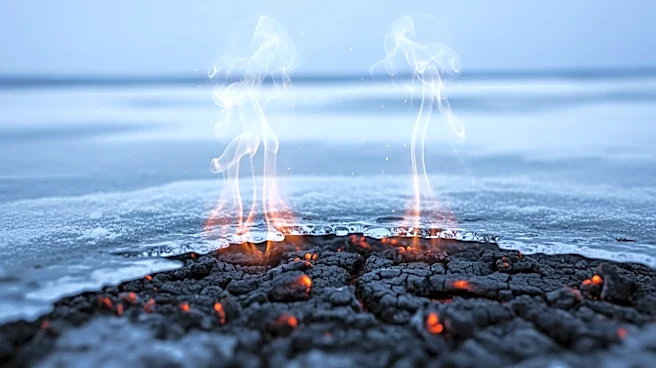
Recent studies have revealed that wildfires in the Arctic are releasing carbon stored for thousands of years, contributing more to global warming than previously assumed. Research led by Meri Ruppel at the Finnish Meteorological Institute found that fires are igniting
stored carbon up to 5000 years old in Arctic and boreal regions. The combustion of ancient organic materials in the soil releases significant amounts of soot and CO2, which are not currently accounted for in climate models. This discovery challenges the assumption that Arctic fires primarily burn recent plant growth, highlighting the need for updated climate assessments.
Why It's Important?
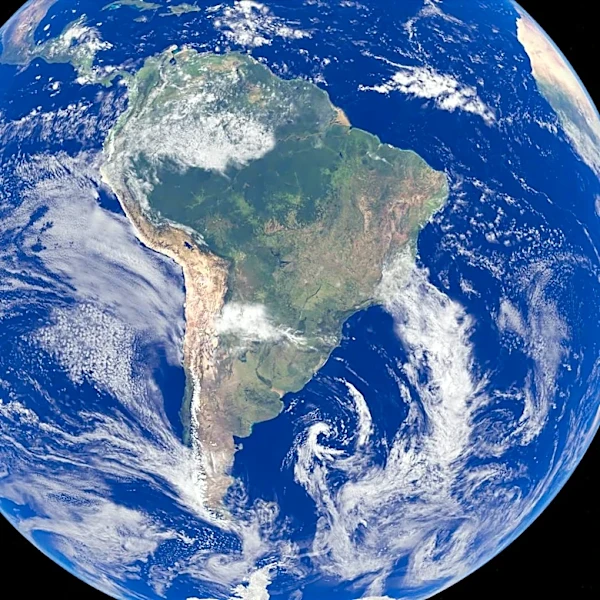
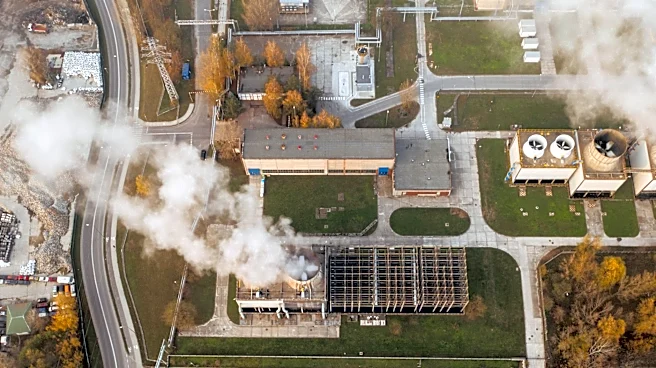
The release of ancient carbon from Arctic wildfires has profound implications for climate change projections. As these fires become more frequent and intense, they could significantly increase atmospheric CO2 levels, accelerating global warming. The findings underscore the importance of incorporating ancient carbon release into climate models to improve the accuracy of future climate predictions. Additionally, the study highlights the vulnerability of Arctic ecosystems, which have historically acted as carbon sinks. The potential loss of these carbon sinks could exacerbate climate change impacts, affecting global weather patterns and sea levels.
What's Next?
Further research is needed to quantify the extent of ancient carbon release from Arctic wildfires and its impact on global carbon cycles. Scientists will likely focus on refining climate models to include these findings, providing a more comprehensive understanding of the Arctic's role in climate change. Policymakers may need to consider these insights when developing strategies to mitigate climate change and protect vulnerable ecosystems. The international community could also explore collaborative efforts to address the challenges posed by Arctic wildfires and their contribution to global warming.
Beyond the Headlines
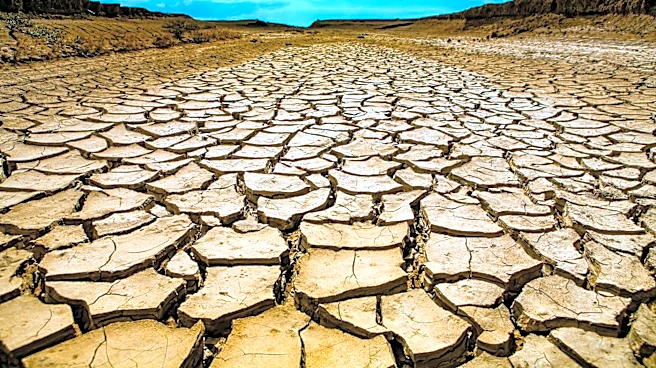
The study of Arctic wildfires reveals deeper environmental and scientific challenges. The release of ancient carbon highlights the interconnectedness of natural systems and the potential for unforeseen consequences as climate change progresses. This research emphasizes the need for a holistic approach to environmental management, considering both immediate and long-term impacts. The findings also raise questions about the resilience of Arctic communities and ecosystems in the face of increasing environmental pressures.